Table of Contents
I found a box of Trilene XL in my parents' garage last spring. Still in the plastic, 8-pound test, price tag from a tackle shop that closed in 2014. The spool looked fine.
The line felt fine running through my fingers. So I spooled it onto a backup reel and took it to a farm pond the next morning.
Second cast. A 2-pound largemouth hit a spinnerbait 15 feet from the bank. I set the hook and the line snapped clean at the reel. Not at the knot. Not at the lure. Right off the spool, like dry spaghetti.
That's when I started taking monofilament shelf life seriously.
The Chemistry Behind Why Mono Degrades
Monofilament is nylon. Specifically, it's extruded nylon polymer , long molecular chains that give the line its stretch, its knot strength, and its shock absorption. When those chains are fresh and aligned, mono handles beautifully.
Three things break those chains down.
UV light is the worst offender. Sunline America ran electron microscope tests on nylon exposed to 500 hours of UV , roughly six weeks of daylight. The images showed fractures developing inside the line structure.
Not surface scuffs. Internal cracks you can't see with your naked eye. Those microfractures are why old mono snaps at 40% of its rated strength without warning.
Heat speeds up polymer degradation. A garage in August hits 110°F easily. At those temperatures, the plasticizers in nylon start breaking down. The line gets stiff and brittle.
You'll feel it , it stops lying flat on the spool, starts coiling like a phone cord.
Oxygen does the slow work. Oxidation embrittles nylon over years, even in dark, cool storage. It's the same process that makes old rubber bands crumble. Slower with fishing line, but it's happening.
The counterintuitive part? Water itself isn't the enemy. Mono absorbs some water, and that actually helps maintain flexibility. Dry storage is what kills it faster.
How Long Does Monofilament Actually Last?
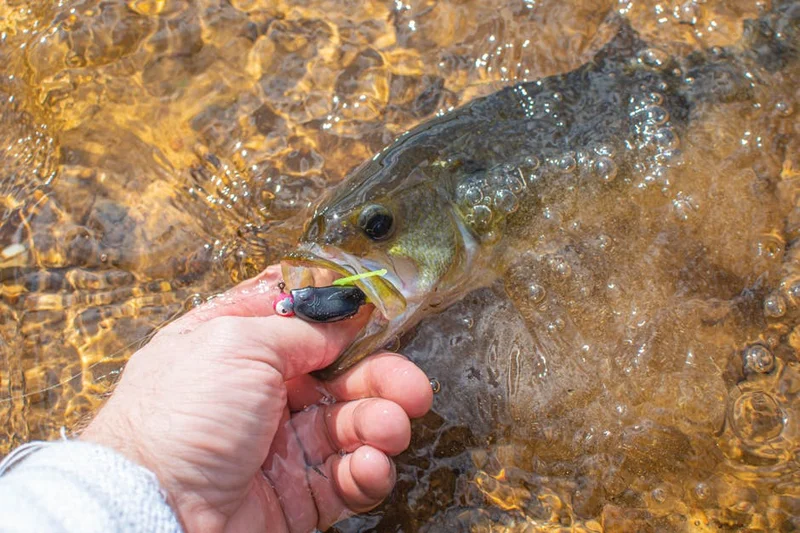
The short answer: 1 to 3 years for reliable performance.
Manufacturers are cagey about publishing hard expiration dates. Berkeley, Stren, and Trilene don't stamp "best by" dates on their spools.
But through conversations with tackle shop owners and tournament anglers who go through hundreds of yards a season, here's what the real-world numbers look like:
Unopened, stored indoors (closet, basement): 2-3 years. After that, knot strength starts dropping. You might get away with 4 years if it's been in a climate-controlled room the whole time.
Unopened, stored in garage or shed: 1-2 years max. The temperature swings alone are enough to compromise the line.
A single Texas summer in an uninsulated garage can cook a spool of 6-pound mono to the point where it snaps at half its rating.
On a reel, used for a season: Replace it. Don't try to stretch it to next year.
Line on a reel has been exposed to UV on the water, stressed from casting and retrieving, and wound under tension the whole time.
Even if it looks fine, the memory coils alone tell you the polymer has taken damage.
Bulk spools (1000+ yards): If you buy bulk to save money, store the main spool properly and only fill smaller working spools as needed. The bulk spool will last years if kept dark and cool.
3 Quick Tests for Old Mono Before You Spool It
You don't need a lab. Three field tests take 30 seconds and they'll tell you more than the age of the spool ever will.
1. The Stretch Test. Pull 12 inches of line between your hands and stretch it slowly. Fresh mono typically stretches 15-25% before breaking. Old mono stretches 5-8% and then pops with almost no warning.
If the line doesn't elongate smoothly and evenly, it's done.
2. The Kink Test. Tie a simple overhand knot and pull it tight slowly. Fresh mono cinches down clean. Degraded mono turns white at the knot , that's the polymer fracturing under stress.
If you see that chalky white color, the line is brittle through and through.
3. The Fingernail Test. Run the line between your thumbnail and index finger with moderate pressure. New mono feels slick and uniform. Old mono feels rough, almost sandy in patches.
That texture is surface oxidation and UV pitting. It won't cast smoothly and it'll fray your rod guides.
One test I don't recommend: the "tie it to a tree and pull" method. I've seen anglers do this. The problem is that mono can hold static weight fine but fail instantly under shock load.
A tree pull doesn't simulate a hookset.
Does Expensive Mono Last Longer?
No. And this is where most anglers get it wrong.
A $15 spool of premium Japanese mono degrades at roughly the same rate as a $6 spool of Berkley Trilene. The polymer is the same base material , nylon.
The expensive stuff has better diameter consistency, better abrasion resistance, and often a coating that improves castability. But UV doesn't care about your coating. Heat doesn't care about your quality control.
Where expensive mono DOES help: it's more consistent fresh, so you're getting better performance during its usable window. But that window doesn't get longer just because you paid more.
I've kept spools of Sunline Super Natural next to spools of Zebco Omniflex in the same closet for two years. Both were noticeably weaker at the end.
The Sunline still cast better, but neither one held a knot above 60% of its rated strength.
The real money-saving move isn't buying premium line. It's buying mid-range line and replacing it every season instead of trying to nurse expensive spools for three years.
How to Store Your Line So It Actually Lasts
Three rules. They're simple and they work.
Keep it dark. A cardboard box is better than a clear plastic tub. A closet is better than a pegboard in the garage.
If you can see your spools, UV is reaching them , even indirect sunlight through a window adds up over months.
Keep it cool and stable. The worst storage location is an uninsulated garage or a boat locker that bakes in the sun. Basements are ideal. Indoor closets work.
If your storage space goes above 90°F in summer or below freezing in winter, your mono is taking damage.
Protect the spools. A cracked spool lip will nick your line every time you pull off yardage. Those tiny nicks become weak points. Store spools so they can't bang against each other.
Even wrapping them in a old t-shirt inside a shoebox makes a difference.
Braid vs Fluoro vs Mono: Which Lasts Longest in Storage?
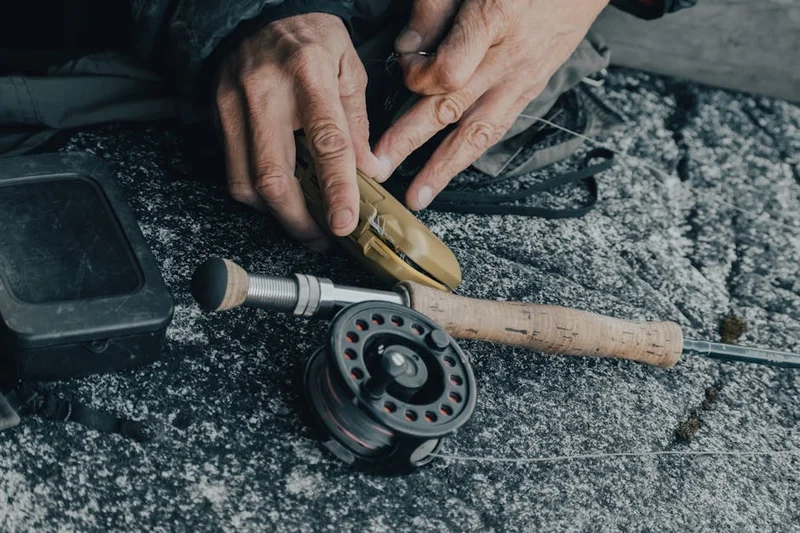
If you want line that'll sit on a shelf for five years and fish like new, buy braid.
Braid (PE): Nearly immune to UV and temperature. The polyethylene fibers don't absorb UV the way nylon does, and they don't oxidize meaningfully over time.
I've fished 8-year-old PowerPro off a bulk spool stored in a desk drawer and it held just fine. The only thing that kills braid is abrasion from actual use.
Fluorocarbon: Falls between mono and braid. Fluoro is more UV-resistant than nylon and handles temperature swings better. Stored properly, fluorocarbon can last 5-7 years.
The catch: fluoro is stiffer to begin with, and age makes it worse. Old fluoro gets so wiry it won't lay on a spinning reel spool without springing off.
Monofilament: The shortest shelf life of the three. But also the cheapest to replace. A 330-yard spool of Trilene XL runs about $6-7. That's two cups of coffee. Replace it.
FAQ
Q: Can I use monofilament that's been on a reel for two years but only fished twice?
A: If the reel was stored indoors, in the dark, the line might be okay , but test it. The bigger issue is line memory.
Mono that's been wound tight on a spool for two years will coil badly, even if the polymer is still strong. For the $6 a fresh spool costs, I'd respool.
Q: Does colored mono degrade faster than clear?
A: Marginally. The pigments used in blue, green, and red mono offer a tiny bit of UV blocking. Clear mono has zero pigment protection. But the difference is small enough that storage conditions matter way more than color.
Q: How do I dispose of old monofilament line?
A: Don't throw it in the water. Don't throw it in regular trash where birds can get at it. Berkley runs a recycling program , many tackle shops have collection bins.
You can also mail spools directly to Berkley's recycling facility. Cut the line into short pieces (under 12 inches) before disposing so it can't entangle wildlife.
Check out our other guides: Braid vs Mono vs Fluorocarbon if you're thinking about switching line types, or Fishing Line for Beginners if you're just getting started.
*LineCalc Pro helps anglers pick the right line for every situation. No factory marketing. Just data and on-the-water experience.*
Sources & Industry References
- International Game Fish Association (IGFA) , Official world record authority and fishing line standards reference
- Wired2Fish , Independent fishing gear reviews and line testing data
- Tackle Warehouse , Comprehensive fishing line specs, diameter charts, and user reviews
Found This Guide Helpful?
Check out LineCalc Pro , our free fishing line calculator that recommends the perfect line for your exact setup. No guessing, no wasted money.
Try LineCalc Pro →Frequently Asked Questions
Who is this guide for?
Anglers looking to make informed decisions about fishing line selection , from beginners to experienced fishermen who want to understand the technical details behind line performance.
What's the most common mistake anglers make?
Choosing line based on price alone, or using the same line for every situation. Line diameter, material, and pound test should match your target species, water conditions, and fishing technique.
How often should I replace my fishing line?
Monofilament: every season or after 8-12 trips. Fluorocarbon: every 2 seasons. Braided line: can last 2-3 seasons if properly maintained. Replace immediately if you see fraying, discoloration, or memory coils.
Braid vs Mono vs Fluorocarbon , which should I pick?
Braid for sensitivity, casting distance, and heavy cover. Mono for topwater lures, stretch forgiveness, and budget. Fluorocarbon for clear water, leader material, and abrasion resistance. Most anglers use a combination.
What pound test line should I use?
Match to your target species: 4-8lb for panfish, 8-12lb for bass, 15-30lb for catfish/striper, 30-65lb for musky/saltwater. Check your rod's line rating , it's printed on the blank for a reason.
What should beginners check before buying line?
1) Match line weight to your rod rating. 2) For spinning reels, stick to 8-12lb to avoid wind knots. 3) Don't overspend on your first spool , $8-15 mono is perfectly fine to learn on.