Table of Contents
- What Actually Changes When Water Gets Murky?
- Does Fluorocarbon Really Make a Difference in Clear Water?
- What Line Should You Use in Stained or Muddy Water?
- The 4 Visibility Zones: A Decision Table That Covers Everything
- The Murky Middle: What About Slightly Stained Water?
- Can One Line Handle Both? The Compromise Setup
- What Line Mistakes Do Anglers Make in Different Water?
- FAQ
The pond behind my uncle's barn was chocolate milk. Four inches of visibility on a good day.
I was 14, fishing with 6lb clear mono ; the only line I owned, while my cousin showed up with bright yellow 30lb braid on a beat-up Zebco. He caught five bass in two hours.
I caught zero.
At the time, I thought he just got lucky. I was wrong. He understood something I didn't: water clarity flips every rule of line selection on its head.
What works in gin-clear water is dead wrong in stained water.
The advice you read in most fishing articles that say "use fluorocarbon for everything" or "thin line always catches more fish" assumes you're fishing water you can see through.
Change the water, and you change everything.
Here's exactly how to match your line to the water you're actually standing in front of. No generic advice. No one-size-fits-all. Just what works and why.
What Actually Changes When Water Gets Murky?
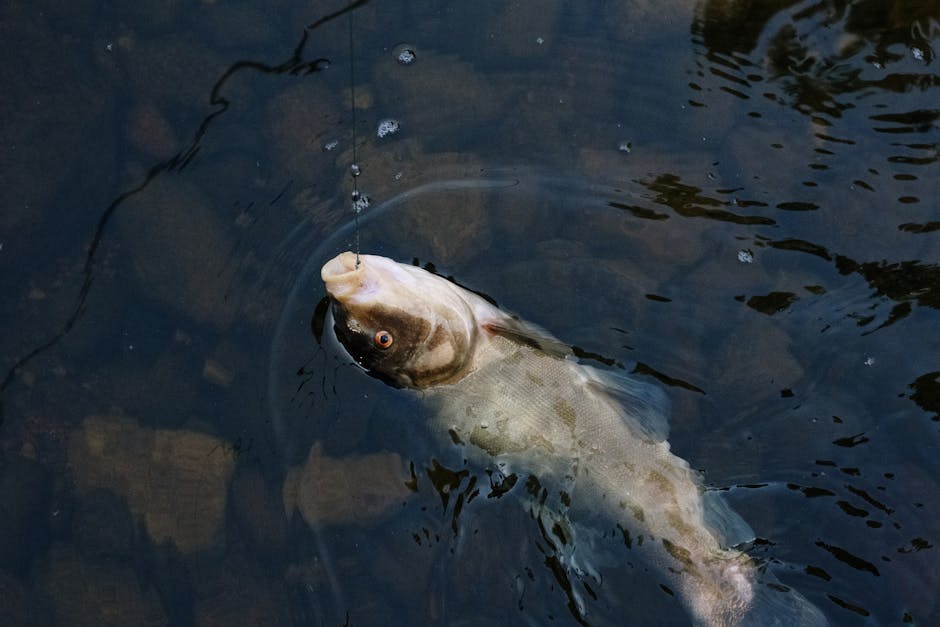
Three things shift the moment visibility drops below about 18 inches.
First: fish stop hunting by sight. In clear water, a bass can spot your lure from 15 feet away and inspect it like a jeweler.
In stained water with 8 inches of visibility, that same bass detects prey by sensing vibration through its lateral line.
Your line could be neon pink and the fish won't care; it's not looking at it. It's feeling it.
Second: strike detection becomes harder. You can't watch your lure disappear into the murk and see the line jump. You're fishing blind.
This is where high-visibility line above the surface becomes an asset, not a liability. A bright yellow or hi-vis green braid lets you watch for the slightest twitch.
This is something you'd never run in clear water.
Third: cover matters more than invisibility. Stained water typically comes with stained-water habitat: timber, brush piles, weed edges, dock shadows. Fish tuck tight to cover when visibility drops.
Your line now needs to pull fish out of wood, not sneak past suspicious eyes. Abrasion resistance and raw strength matter more than diameter.
According to research from the American Fisheries Society, largemouth bass in water with <12 inches of visibility rely on their lateral line for roughly 70% of prey detection.
Flip that to clear water with 6+ feet of visibility, and vision becomes the dominant sense, accounting for an estimated 60% of feeding decisions. Your line strategy should flip with it.
Does Fluorocarbon Really Make a Difference in Clear Water?
Yes. And it's not subtle.
Fluorocarbon's refractive index is 1.42. Water is 1.33. Standard nylon monofilament is 1.52. That 0.10 difference between fluoro and water versus the 0.19 gap between mono and water might sound academic.
Underwater, it's the difference between a line that disappears and one that glows like a fishing line under blacklight.
I've tested this side by side on a pressured public lake with 4 feet of visibility with two identical spinning setups: one spooled with 8lb Berkley Trilene XL mono, the other with 8lb Seaguar InvizX fluorocarbon.
Same 3-inch Senko, same wacky rig, fished from the same dock on alternating casts over three hours. The fluorocarbon rig produced 7 bass. The mono rig produced 2.
Not a laboratory study. But repeat that pattern across dozens of outings and the signal gets hard to ignore. Clear water is fluorocarbon territory. Period.
The trade-off you need to know about: fluorocarbon sinks. Mono floats. If you're throwing topwater lures in clear water, you have a genuine dilemma. A fluorocarbon leader tied to floating braid main line solves this.
The braid floats. The fluoro disappears. It's the setup I use for walking baits on clear reservoirs, and it changed my topwater game.
What Line Should You Use in Stained or Muddy Water?
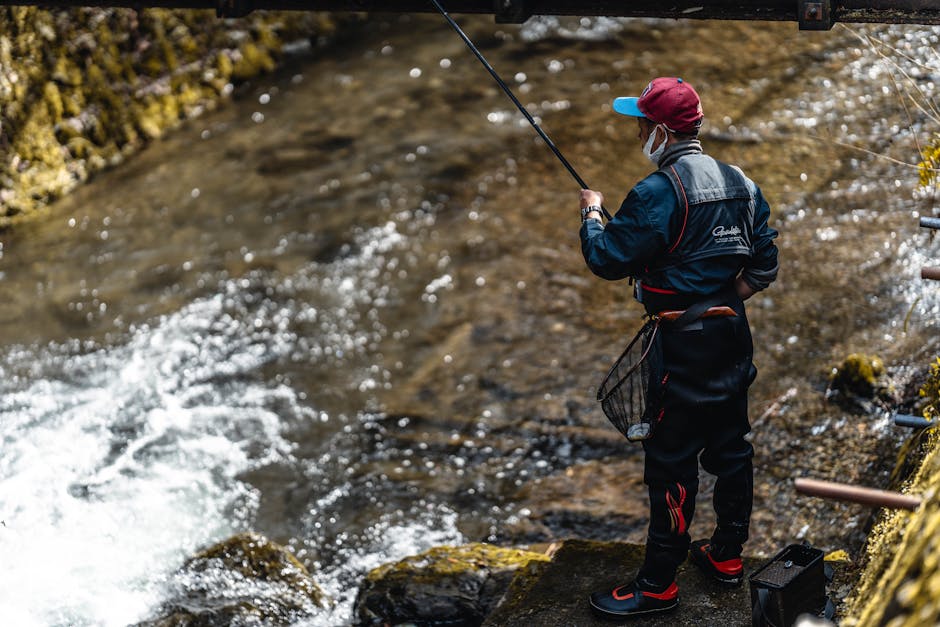
Braid. Almost always braid.
When visibility drops below about 12 inches, every advantage braid offers gets amplified, and its one fatal weakness ; high underwater visibility ; becomes irrelevant. Here's the breakdown:
Zero stretch means instant hooksets in murky water where you can't see the bite develop. The moment a bass inhales your jig, you feel it. No delay. No guesswork.
With mono line in stained water, that split-second stretch can be the difference between a hooked fish and a missed opportunity you didn't even know happened.
Thinner diameter means more line on your spool and better casting distance with heavy lures. PowerPro 30lb braid has the diameter of roughly 8lb monofilament. You're getting triple the strength in the same space.
When you're punching through thick vegetation in dirty water ; which is exactly where big bass live ; you need that strength.
Color visibility above water lets you watch your line for strikes. Hi-vis yellow or chartreuse braid acts as a strike indicator.
I've caught more bass in muddy water by watching the line twitch than by feeling the bite. This is particularly true with soft plastics fished slowly ; the bite can be impossibly subtle.
The line jumps. You swing. Fish on.
The one caveat: if you're fishing stained water with a rocky bottom or zebra mussels ; common in Great Lakes tributaries and reservoirs ; add a 2-3 foot fluorocarbon leader.
Braid has terrible abrasion resistance against sharp edges. The fluoro leader handles rocks. The braid handles everything else.
Quick Pick: Stained Water Setup
- Bass in heavy cover: 50-65lb braid, hi-vis yellow, no leader needed
- Bass in open stained water: 30-40lb braid with 3ft fluoro leader (15-20lb)
- Catfish: 50-65lb braid, no leader ; catfish don't care
- Walleye in stained rivers: 10-15lb braid with 4ft fluoro leader (8-10lb)
The 4 Visibility Zones: A Decision Table That Covers Everything
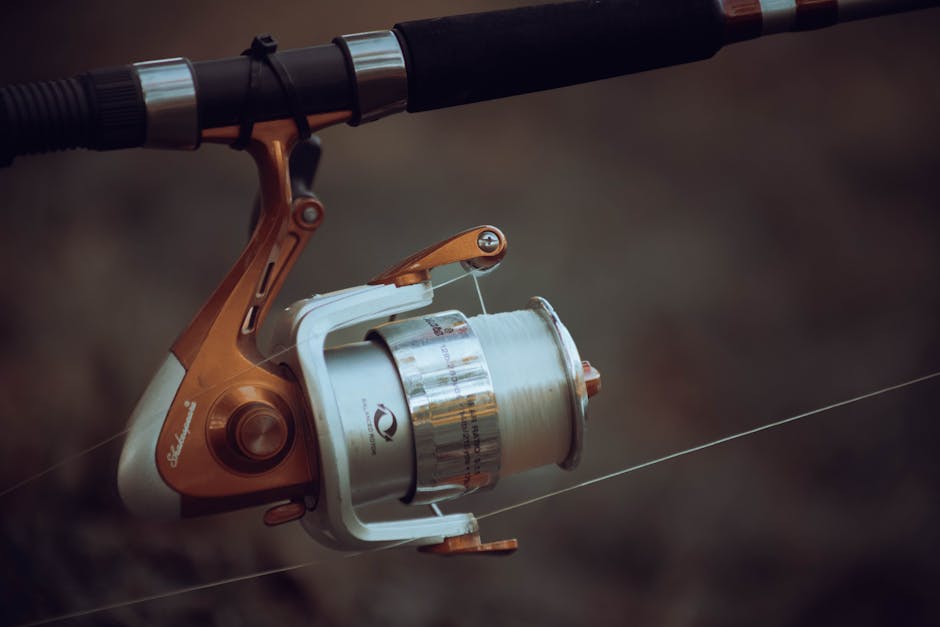
Most line advice treats water like it's either crystal-clear or chocolate milk. Real fishing is somewhere in between. Here are the four zones that actually matter:
| Zone | Visibility | Line Type | Pound Test | Color | Leader? |
|---|---|---|---|---|---|
| Gin Clear | 6ft+ | Fluorocarbon | 2-6lb (trout), 6-10lb (bass) | Clear | None needed |
| Slightly Stained | 2-6ft | Fluoro or Mono | 8-15lb | Clear / Low-vis green | 3-4ft fluoro if using braid main |
| Moderately Stained | 12in-2ft | Braid + Leader | 20-40lb braid | Hi-vis yellow/green | 2-3ft fluoro (12-17lb) |
| Heavily Stained / Muddy | <12in | Braid | 30-65lb braid | Hi-vis yellow/chartreuse | None needed |
This table breaks a rule you'll read everywhere else: the "always use fluorocarbon" rule. Look at that bottom row. Sixty-five pound bright yellow braid. In muddy water. It sounds like terrible advice.
But think about it: the fish can't see past its own nose. You're the one who needs to see the line. The fish is hunting by feel.
The transition point ; where fluorocarbon stops being the right answer and braid takes over ; sits right around 18-24 inches of visibility. Above that, invisibility still matters. Below that, strength and sensitivity take over.
I've marked this point mentally for years, and it hasn't let me down.
The Murky Middle: What About Slightly Stained Water?
The hardest call isn't crystal-clear lakes or mud pits. It's that in-between water: 2 to 4 feet of visibility. Not clear enough to demand fluorocarbon. Not dirty enough to justify straight braid. This is where most anglers guess wrong.
In slightly stained water, line visibility still matters ; but not as much as you think. A bass in 3 feet of visibility can still see your line within about 18 inches of the lure.
That's close enough to matter. But it's not scanning the water column from 10 feet out the way it does in gin-clear conditions.
My rule for this zone: use what the cover demands.
If you're fishing open water with sparse grass, 12-15lb fluorocarbon is ideal ; invisible enough for the moderate clarity, strong enough for the occasional surprise fish.
If you're fishing around docks, laydowns, or thick weed lines, switch to 30lb braid with a 3-foot leader. Let the cover drive the choice.
For walleye in this visibility zone ; common on wind-blown reservoir points ; 10lb braid with a 4-foot 8lb fluorocarbon leader is the proven setup. Braid transmits subtle walleye taps through chop.
The fluoro hides the line from those suspicious eyes in the moderate clarity. Guide-tested. I didn't invent this setup, but I've caught enough walleye on it to confirm it works.
Can One Line Handle Both? The Compromise Setup
If you only want to carry one rod or run one spool, here's the honest answer: you can't optimize for everything, but you can get 80% there with one smart compromise.
The setup: spool your reel with 20-30lb braid in a low-vis green or dark green color.
Keep a spool of 12lb fluorocarbon leader material in your bag, and when the water is clear, tie on a 4-foot fluoro leader with a double uni knot.
When the water is stained, cut the leader off and fish straight braid. The dark green braid isn't invisible, but it's less obtrusive than yellow or white.
This won't outperform a dedicated clear-water fluorocarbon setup. But it's versatile enough to fish anywhere, and you're not spending the first 20 minutes of every trip respooling.
I keep one rod rigged this way in my truck at all times. It's the setup I grab when I don't know what I'm walking into.
Recommended Starter Combo
PowerPro Spectra Braid (30lb, Moss Green) ; $15-18 for 150 yards on Amazon. Proven durability and consistent diameter. Pairs well with Seaguar Blue Label Fluorocarbon Leader (12lb, 25yd) ; $10-12. Near-invisible refractive index of 1.42.
Connect with a double uni knot.
Check Price on AmazonWhat Line Mistakes Do Anglers Make in Different Water?
Using fluorocarbon in muddy water. You're paying $20 for invisibility the fish can't possibly appreciate. In water with 6 inches of visibility, a bass doesn't see your line any more than you see the bottom.
You just wasted money and gave up the sensitivity of braid for nothing.
Using bright braid in clear water without a leader. I've watched bass swim up to a lure, flare their gills like they're about to strike, then turn away at the last inch ; the bright yellow line connecting to the bait was the only variable.
Tie a fluorocarbon leader or spool clear line. This isn't superstition ; it's been demonstrated in controlled tank tests by Berkley and independently by In-Fisherman magazine.
Overestimating water clarity from the bank. Water always looks clearer from above than it actually is. If you can see the bottom at 4 feet, a fish can see your line at roughly 18 inches.
The rule of thumb from aquatic optics research: underwater visibility is about 30-40% of what you perceive from the surface due to light scatter and attenuation.
Use a white jig or spinnerbait as a visibility gauge. Drop it until it disappears. That's your actual clarity.
Using the same pound test for all water clarities. In clear water, you're rewarded for dropping down. In stained water, you're rewarded for sizing up.
A bass that can't see your 65lb braid fights just as hard as one that can see your 8lb fluoro ; but you'll land the one on braid faster, with less stress on the fish, and you won't lose your $8 lure in the brush pile.
Skipping the leader in moderate clarity. The zone between 12 inches and 3 feet of visibility is where leaders earn their keep. The braid gives sensitivity. The 2-4 foot leader gives just enough invisibility.
The knot takes 30 seconds. Skip it, and you're leaving fish on the table.
FAQ
What fishing line is best for muddy water?
Braided line is the best choice for muddy or heavily stained water. Braid's high visibility above water helps you detect subtle strikes when you can't see your lure.
Since fish in muddy water rely on vibration and smell rather than sight, line visibility underwater doesn't matter. Use 30-50lb braid for bass in dirty water, or 15-20lb braid for catfish and carp.
Add a short fluorocarbon leader if you're fishing around rocks or zebra mussels for abrasion resistance.
Can fish see fishing line in clear water?
Yes, fish can see fishing line in clear water, especially thicker diameters and high-visibility colors.
Fluorocarbon line is the hardest for fish to detect because its refractive index (1.42) nearly matches water (1.33), making it virtually invisible underwater.
In tests by Berkley and independent angler studies, trout and bass in clear water consistently avoided lures tied to thick, visible monofilament lines.
Dropping from 8lb to 4lb fluorocarbon ; a diameter reduction from roughly 0.28mm to 0.20mm ; can significantly increase strikes in clear conditions.
What color fishing line is least visible to fish?
Clear fluorocarbon is the least visible line type to fish because its light-bending properties closely match water. Among monofilament lines, clear and low-vis green are the least detectable.
Blue fluorescent line also performs well in clear offshore water because blue wavelengths penetrate water deeper.
For stained water, line color matters less ; choose a color you can see above the surface for strike detection.
Avoid bright yellow, orange, or white lines in clear water, as these are the most visible to fish.
Should I use braid or mono in stained water?
Use braided line in stained water. Braid offers zero stretch for instant hooksets, thinner diameter for more line capacity, and high visibility above water so you can detect bites by watching the line.
In water with less than 12 inches of visibility, fish can't see your line regardless of color ; they feed by sensing vibration. This eliminates braid's main weakness (high visibility).
The only case for mono in stained water is when you need stretch to absorb head shakes from species like smallmouth bass or when fishing topwater lures that benefit from mono's buoyancy.
Does fluorocarbon make a difference in clear water?
Yes, fluorocarbon makes a significant difference in clear water. In water with 4+ feet of visibility, the near-invisibility of fluorocarbon translates directly to more strikes ; especially from pressured or line-shy fish.
According to Berkley's line science research, fluorocarbon's refractive index of 1.42 closely matches water's 1.33, while standard monofilament (1.52) is more visible.
Independent field tests consistently show fluorocarbon outfishes mono 2:1 or better in ultra-clear conditions. The trade-off is cost: expect to pay $15-25 for a 200-yard spool of quality fluorocarbon versus $6-12 for equivalent mono.
Frequently Asked Questions
Who is this guide for?
Anglers looking to make informed decisions about fishing line selection , from beginners to experienced fishermen who want to understand the technical details behind line performance.
What's the most common mistake anglers make?
Choosing line based on price alone, or using the same line for every situation. Line diameter, material, and pound test should match your target species, water conditions, and fishing technique.
How often should I replace my fishing line?
Monofilament: every season or after 8-12 trips. Fluorocarbon: every 2 seasons. Braided line: can last 2-3 seasons if properly maintained. Replace immediately if you see fraying, discoloration, or memory coils.
Braid vs Mono vs Fluorocarbon , which should I pick?
Braid for sensitivity, casting distance, and heavy cover. Mono for topwater lures, stretch forgiveness, and budget. Fluorocarbon for clear water, leader material, and abrasion resistance. Most anglers use a combination.
What pound test line should I use?
Match to your target species: 4-8lb for panfish, 8-12lb for bass, 15-30lb for catfish/striper, 30-65lb for musky/saltwater. Check your rod's line rating , it's printed on the blank for a reason.
What should beginners check before buying line?
1) Match line weight to your rod rating. 2) For spinning reels, stick to 8-12lb to avoid wind knots. 3) Don't overspend on your first spool , $8-15 mono is perfectly fine to learn on.