Table of Contents
- Mono, Fluoro, or Braid: Which Line Type for Trout?
- What Pound Test Should You Use for Trout?
- Floating vs Sinking Line, and Clear vs Stained Water
- Streams, Rivers, and Lakes: How the Water Changes Your Pick
- Three Lines Worth Your Money
- Frequently Asked Questions
The first thing I check on any trout outfit is not the rod. It is the line. Trout have excellent eyesight, they live in water that is often gin-clear, and they will inspect a lure from inches away before deciding to strike. If your line gives you away, nothing else on the rod matters.
After years of fishing small streams, tailwaters, and trout lakes, I have settled into a simple system: pick the right material, pick the right pound test, and pair both with the water you are fishing. This guide walks through all three steps.
Mono, Fluoro, or Braid: Which Line Type for Trout?
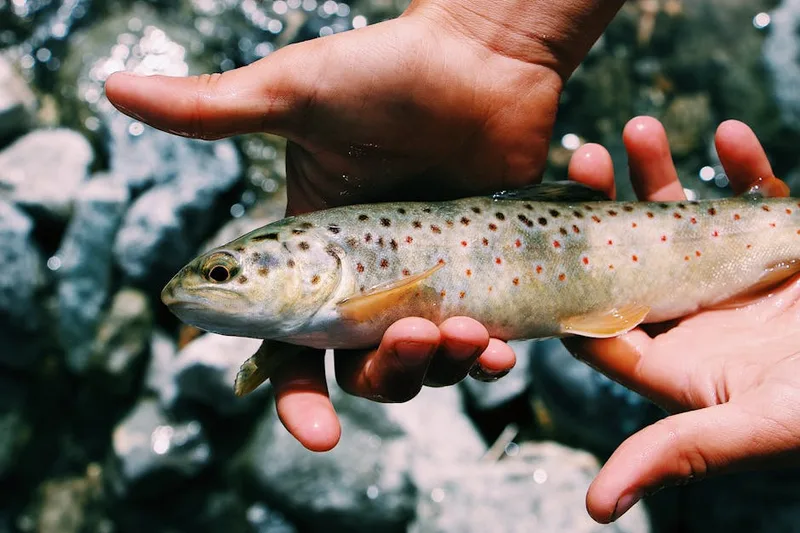
Every trout line on the shelf is one of three materials: monofilament, fluorocarbon, or braided line. Each behaves differently underwater, and those differences are exactly what a trout notices.
Monofilament: The All-Rounder
Mono is the classic choice. It stretches, which forgives mistakes on the hook set. It floats, which makes it ideal for keeping small spinners and bait near the surface. And it is the cheapest option, which matters when you are still learning what works.
The trade-off is visibility. Mono is more visible underwater than fluorocarbon, especially in clear water. If you fish stained water, stocked ponds, or any water where trout see a lot of lures, mono is still a perfectly good choice.
Fluorocarbon: The Clear-Water Standard
Fluorocarbon is what most serious trout anglers reach for first. It disappears much faster than mono in clear conditions, and it sinks, which helps small lures get down to where trout hold. It also shrugs off scrapes against rocks better than mono.
It costs more than mono and it has less stretch, so your drag settings matter more. For clear streams and pressured fish, it is hard to beat. I keep a spool of 4lb fluoro on my main trout rod all season.
Braid: Thin, Strong, and Visible
Braided line is the thin-and-strong option. A 6lb braid is roughly the same diameter as 1lb mono, so it casts small lures a long way and passes every tap straight to your hand. There is no stretch, which means instant hook sets at distance.
The problem is visibility. Braid stands out in clear water, so for trout it only works when you pair it with a fluorocarbon leader. I run 6lb braid with a 4-foot 4lb fluoro leader on my small-stream rod.
| Line Type | Visibility | Floats or Sinks | Stretch | Best For Trout |
|---|---|---|---|---|
| Monofilament | Visible, tint options | Floats | High | Stained water, stocked ponds, topwater presentations, tight budgets |
| Fluorocarbon | Nearly invisible | Sinks | Low | Clear streams and lakes, pressured wild trout, leader material |
| Braid | Highly visible | Floats | None | Long casts on lakes and big rivers, always with a fluoro leader |
Want the full breakdown of how these three compare across every species? See our guide on braid vs mono vs fluorocarbon.
What Pound Test Should You Use for Trout?
For trout, the useful range is narrow: 2lb to 6lb. Anything heavier and you are casting a rope. Anything lighter and you are asking for trouble in snaggy water.
For most situations, 4lb is the sweet spot. It is light enough to look natural, strong enough to handle a 16-inch brown on a light drag, and thin enough to cast a 1/16 oz spinner a respectable distance.
Drop to 2lb only for ultra-clear spring creeks where the fish have seen everything. Jump to 6lb when the water is stained, when you are fishing bigger rivers, or when lake trout are running large. Here is how I choose:
| Pound Test | Best For | When to Avoid |
|---|---|---|
| 2lb | Ultra-clear spring creeks, heavily pressured wild trout | Snaggy structure, big lake trout, windy banks |
| 4lb | The all-around choice for streams, rivers, and lakes | Heavy brush and woody snags |
| 6lb | Stained water, larger rivers, bigger lake trout, near-structure fishing | Gin-clear flats with spooky fish |
Line diameter matters just as much as the pound rating. Two 4lb lines from different brands can differ noticeably in thickness, which changes how easily trout spot them. Our fishing line diameter chart shows how the numbers compare across brands.
Floating vs Sinking Line, and Clear vs Stained Water
Once the material and pound test are set, two water-level questions decide the rest: does your line float, and can the trout see it?
Floating line, which means mono and most braid, keeps your lure riding high. That is what you want when trout are rising and taking bait near the surface. Sinking line, which means fluoro, pulls your presentation down a few feet. That matters in deeper pools and tailwaters where trout hold close to the bottom.
Water clarity decides visibility. In clear water, use fluoro or a fluoro leader. In stained or off-color water, trout cannot see as well, so mono and braid become perfectly viable, and you can get away with heavier line. The rule of thumb is simple: the clearer the water, the lighter and less visible your line should be.
For more on how water color changes your choices, read our guide on stained vs clear water fishing line.
Streams, Rivers, and Lakes: How the Water Changes Your Pick
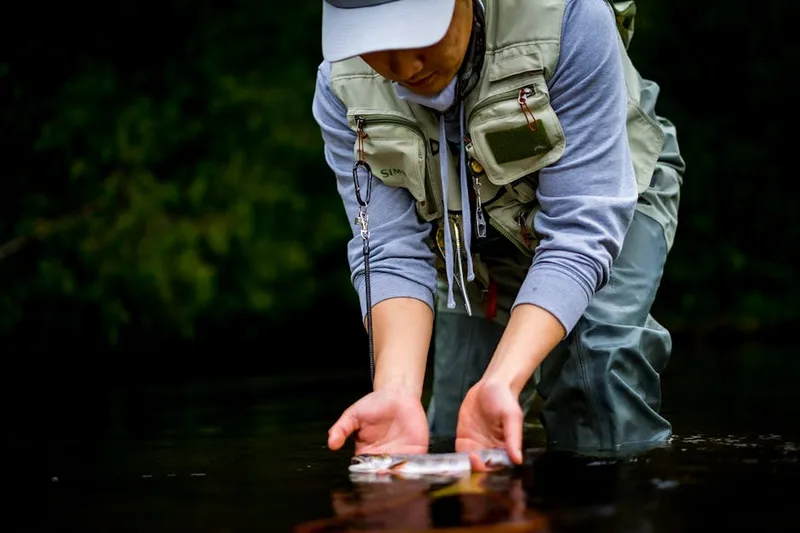
Small streams: tight quarters, brush, and spooky fish. I use 2-4lb fluoro here. The short casts do not need casting power, they need stealth. Our ultralight trout line setup guide digs into this water.
Bigger rivers: current adds drag, and you need a bit more strength to fight fish against the flow. 4-6lb fluoro handles it comfortably. Braid with a fluoro leader also shines when you need long casts across a wide river.
Lakes and reservoirs: trout roam open water, so casting distance and lure depth matter more than extreme stealth. 4-6lb fluoro or mono works well, and a braid main line with a fluoro leader gives the longest casts of all. Stocked lakes are usually less pressured, so plain mono is fine here and saves you money.
New to line selection? Start with our fishing line for beginners guide, then come back here. For a broader view across fish, see our best fishing line by species guide.
Three Lines Worth Your Money
I have spooled dozens of lines over the years. These three handle every trout situation I fish. Prices vary by spool size and retailer, so check the current listings before you buy.
Seaguar Red Label Fluorocarbon, 4lb
The line I reach for first on clear streams. It sinks, it is tough against rocks, and it stays nearly invisible in the clearest water. The 4lb test handles most stream trout, and it holds a Palomar knot without slipping.
This is my pick when I have driven three hours to a stream and need everything to work on the first cast.
Check Price on AmazonBerkley Trilene XL Monofilament, 4lb
The budget all-rounder. If you are new to trout fishing or just stocking a second rod, this is where I would start. It floats, it stretches, and it costs a fraction of premium fluoro.
Perfect for stained water, stocked ponds, and anyone who wants one spool that works almost anywhere.
Check Price on AmazonPowerPro Braided Line, 6lb
The long-cast option for lakes and big rivers. Pair it with a fluoro leader and you get 2-4lb stealth at the business end with 6lb strength on the reel.
Zero stretch means you feel every bump on the bottom, which is a real edge when trout are picking up subtle bites.
Check Price on AmazonFrequently Asked Questions
What pound test line should I use for trout?
4lb is the all-around answer for most streams, rivers, and lakes. Use 2lb for ultra-clear, heavily pressured creeks. Use 6lb for stained water, bigger fish, or snaggy structure.
Does line color matter for trout?
Yes. Trout have sharp color vision. Clear fluorocarbon or low-visibility line is safest. If you prefer high-visibility line so you can watch your line, pair it with a fluorocarbon leader at least 4 feet long.
Do I need a leader with braid for trout?
Yes. Braid is highly visible, so always tie on a fluorocarbon leader of 4-6 feet in 2-4lb test. The leader does the hiding while the braid does the casting.
How often should I replace trout line?
Mono: replace at least once a season, sooner if it feels rough or looks cloudy. Fluoro: every one to two seasons. Braid: lasts longer, but retie and trim the last few feet regularly. When in doubt, replace it. A fresh spool costs less than losing the fish of the day.
Sources & Industry References
- International Game Fish Association (IGFA) , Official line class standards and world record authority
- Wired2Fish , Independent fishing gear reviews and line testing data
- Tackle Warehouse , Fishing line specs, diameter charts, and user reviews
Found This Guide Helpful?
Check out LineCalc Pro , our free fishing line calculator that recommends the perfect line for your exact setup. No guessing, no wasted money.
Try LineCalc Pro →