Table of Contents
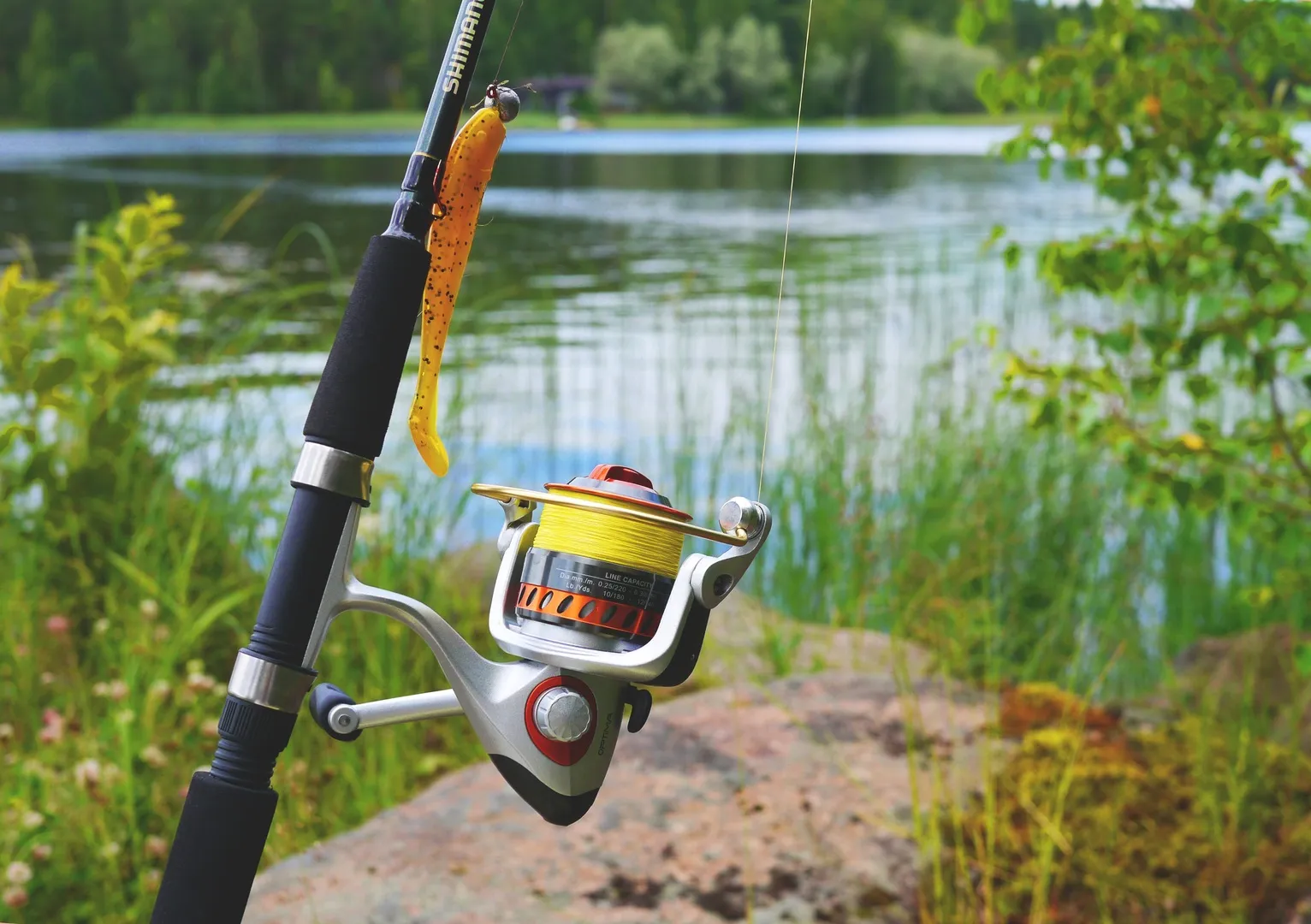
Braided, monofilament, and fluorocarbon lines each excel in different fishing scenarios
Introduction
If you're still asking "which fishing line is the best," you're asking the wrong question.
Walk into any tackle shop and you'll be overwhelmed by options, braided lines boasting zero stretch, monofilaments advertising buoyancy, fluorocarbons claiming invisibility. Every product claims to be the "ultimate choice."
The global fishing line market is projected to reach $1.79 billion in 2025 [Fortune Business Insights]. This guide tells you exactly when to use braid, mono, or fluorocarbon based on real-world scenarios.
The Fundamental Differences
Braided Line (Braid)
Built from polyethylene fibers (Dyneema/Spectra). Features: zero stretch, thin diameter, no line memory. Best for sensitivity and casting distance. Highly visible underwater.
Monofilament (Mono)
Single strand of extruded nylon. Features: 15-25% stretch, natural buoyancy, forgiving knots. Best for beginners and topwater. Lowest cost option.
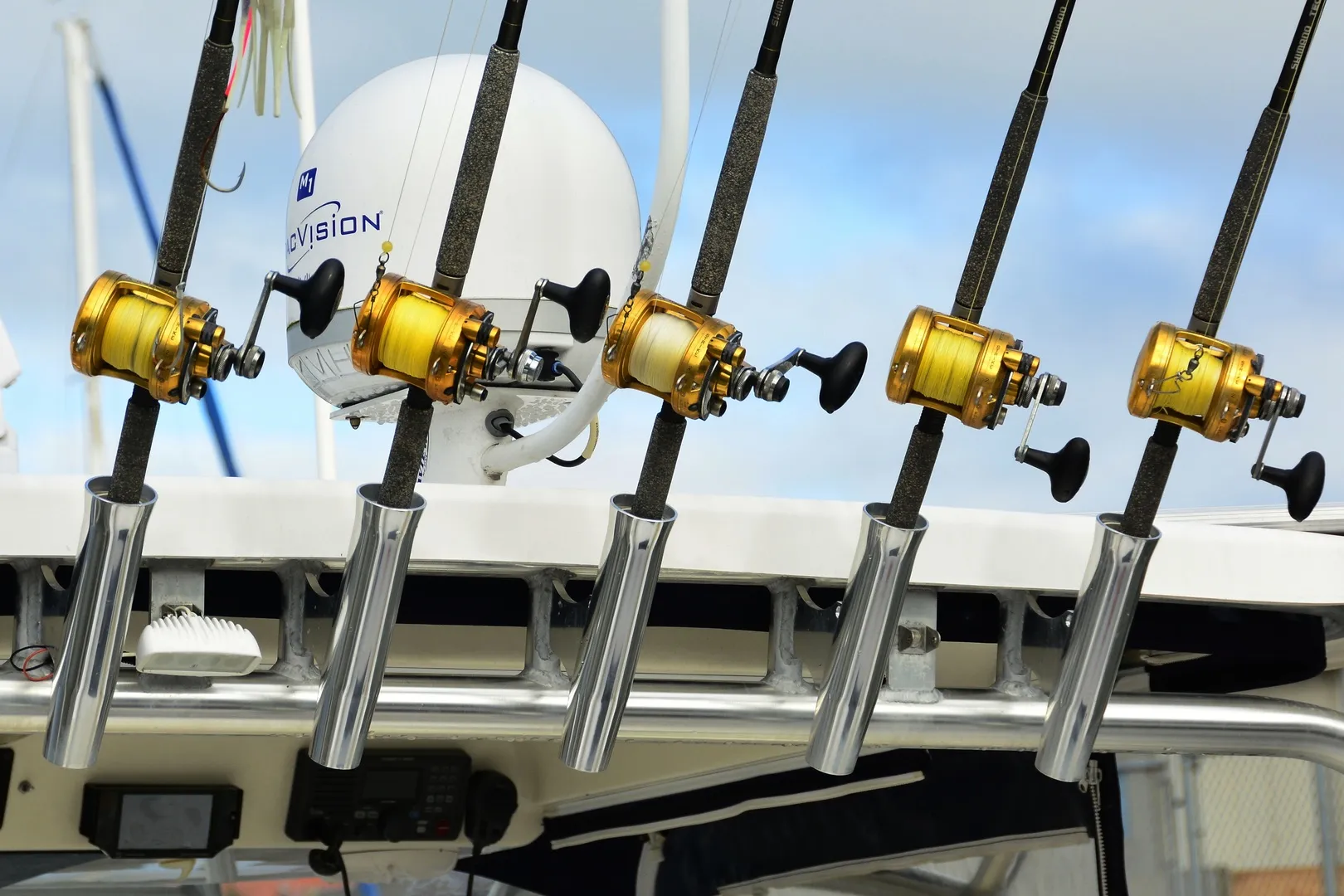
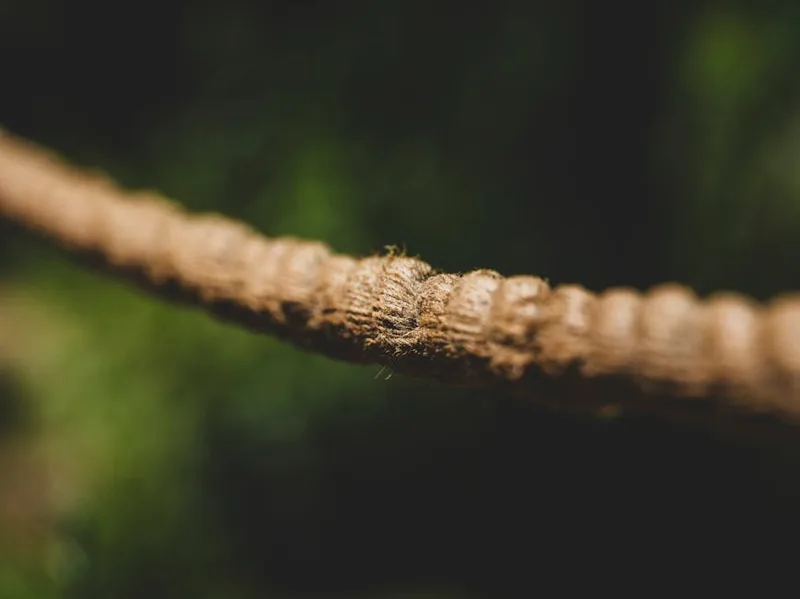
Visual comparison: Braid's woven fibers (left), mono's smooth surface (center), fluoro's clarity (right)
Fluorocarbon (Fluoro)
Made from PVDF. Features: near-invisibility, abrasion resistance, fast sinking. Best for clear water finesse. Minimal stretch.
Scenario-Based Selection Guide
1. Heavy Cover (Pads, Grass, Timber)
Use Braid. Zero stretch = power to pull fish out. Thin diameter slices through vegetation. 30-65 lb test; 40-50 lb for general use [Sport Fishing Magazine].
2. Topwater Fishing
Mono or Braid. Both float. Mono stretches (forgiveness on hookset). Braid casts farther but needs softer rod tip. "If bait moves steadily, use braid. If it pauses, use mono" [Missile Baits].
3. Clear Water Finesse
Use Fluorocarbon. Virtually invisible. Refractive index matches water. 6-12 lb test; drop to 6-8 lb in ultra-clear water [Korda Tackle].
4. Long Distance Casting
Use Braid. Thin diameter = less friction through guides. A 30 lb braid has diameter of 8 lb mono. Use PE ratings for consistent diameter measurement.
5. Beginner Setup
Use Monofilament. Stretch cushions hooksets. Easier knots than braid/fluoro. Easier to untangle backlash. $8 spool vs $25 for braid.
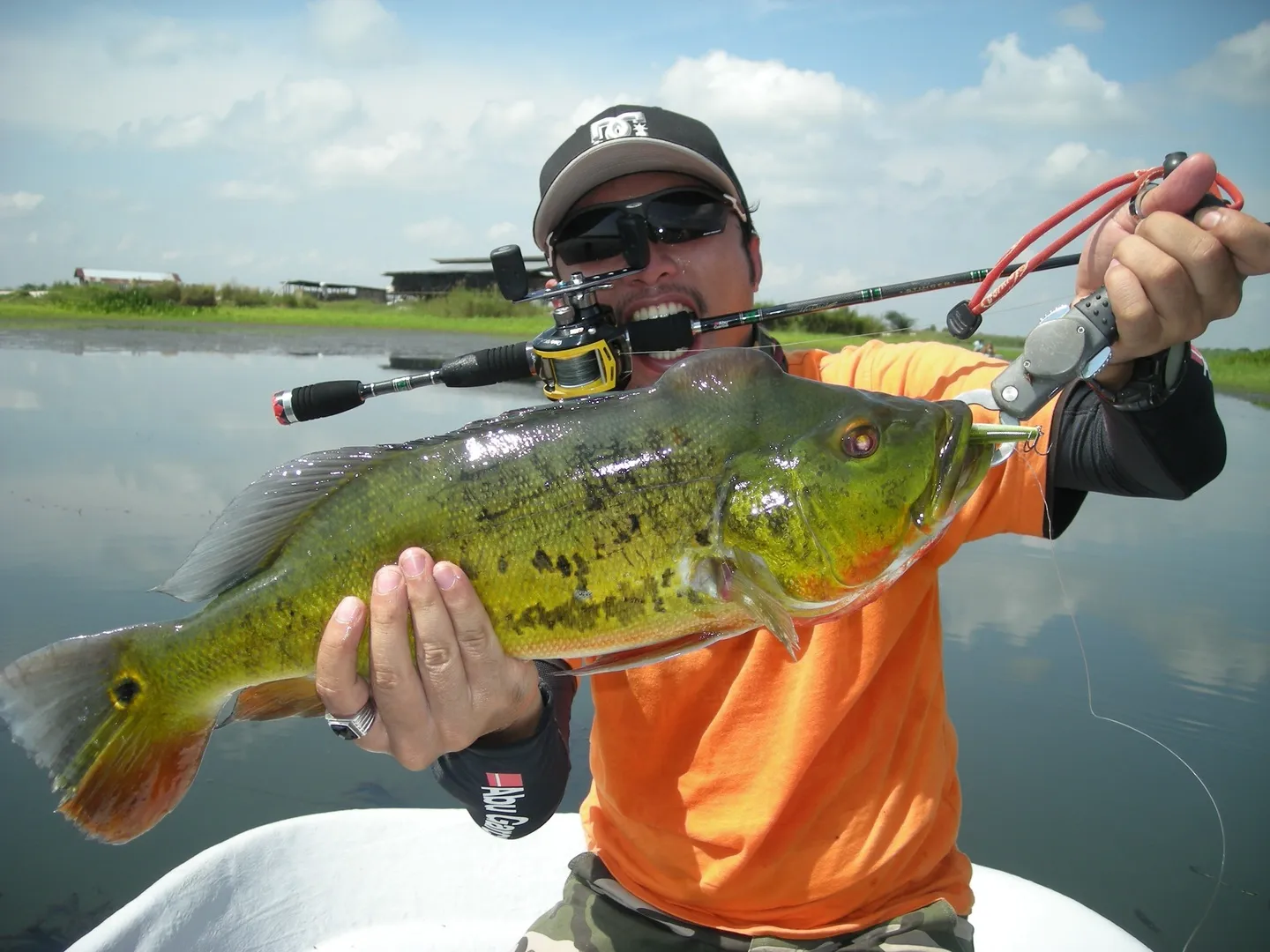
Match your line to the fishing scenario: cover type, water clarity, and target species
Common Myths vs Truth
| Myth | Truth |
|---|---|
| "Fluoro is always stronger than mono" | Breaking strength is nearly identical. Difference is abrasion/invisibility. |
| "Expensive line is always better" | Premium lasts longer, but budget works for occasional use. |
| "Leaders need to be 4+ feet" | 1-2 feet is plenty. Fish aren't that observant. |
| "Braid destroys rod guides" | Modern SiC/aluminum oxide guides handle braid fine. |
2026 Product Recommendations
Braid: Seaguar SmackDown (heavy cover), PowerPro (longevity), Seaguar PEX8 (BFS)
Fluorocarbon: Seaguar Carbon Ultra (casting), Berkley Trilene (mid-range), Seaguar InvizX (balance)
Mono: Berkley Trilene XL, Sufix Elite, Stren Original
Mono commands ~35% of North American market [Business Research Insights].
Top-rated fishing lines for 2026: Japanese braids, improved fluorocarbons, and reliable monofilaments
FAQ
Can I use one line type for everything?
You can, but you'll limit yourself. Serious anglers have at least two setups: braid for power, fluoro/mono for finesse/topwater.
How long should my fluoro leader be?
1-2 feet is plenty. Extend to 4+ feet only for reefs or extremely clear water.
What line for bass fishing?
Heavy cover: Braid. Clear water finesse: Fluorocarbon. Topwater: Mono or braid. All-around: Braid + fluoro leader.
Remember: Braid = power/distance. Mono = forgiveness/float. Fluoro = invisibility/sensitivity. Match line type to scenario, not brand loyalty.
Found This Guide Helpful?
Check out LineCalc Pro , our free fishing line calculator that recommends the perfect line for your exact setup. No guessing, no wasted money.
Try LineCalc Pro →Sources & Industry References
- International Game Fish Association (IGFA) , Official world record authority and fishing line standards reference
- Wired2Fish , Independent fishing gear reviews and line testing data
- Tackle Warehouse , Comprehensive fishing line specs, diameter charts, and user reviews
Frequently Asked Questions
Who is this guide for?
Anglers looking to make informed decisions about fishing line selection , from beginners to experienced fishermen who want to understand the technical details behind line performance.
What's the most common mistake anglers make?
Choosing line based on price alone, or using the same line for every situation. Line diameter, material, and pound test should match your target species, water conditions, and fishing technique.
How often should I replace my fishing line?
Monofilament: every season or after 8-12 trips. Fluorocarbon: every 2 seasons. Braided line: can last 2-3 seasons if properly maintained. Replace immediately if you see fraying, discoloration, or memory coils.
Braid vs Mono vs Fluorocarbon , which should I pick?
Braid for sensitivity, casting distance, and heavy cover. Mono for topwater lures, stretch forgiveness, and budget. Fluorocarbon for clear water, leader material, and abrasion resistance. Most anglers use a combination.
What pound test line should I use?
Match to your target species: 4-8lb for panfish, 8-12lb for bass, 15-30lb for catfish/striper, 30-65lb for musky/saltwater. Check your rod's line rating , it's printed on the blank for a reason.
What should beginners check before buying line?
1) Match line weight to your rod rating. 2) For spinning reels, stick to 8-12lb to avoid wind knots. 3) Don't overspend on your first spool , $8-15 mono is perfectly fine to learn on.