Table of Contents
A whole season gets spent catching small carp while a partner pulls out 20-pounders from the same swim. Same bait. Same spot. The difference? My hooklink buoyancy was wrong , and the big fish knew it before I did.
Hooklink buoyancy is one of those details that separates the anglers who consistently catch specimen carp from those who wonder why their alarms stay silent. (For the mainline side, see our guide on fluorocarbon leader length.)
Where Should the Boilie Sit on the Hook?
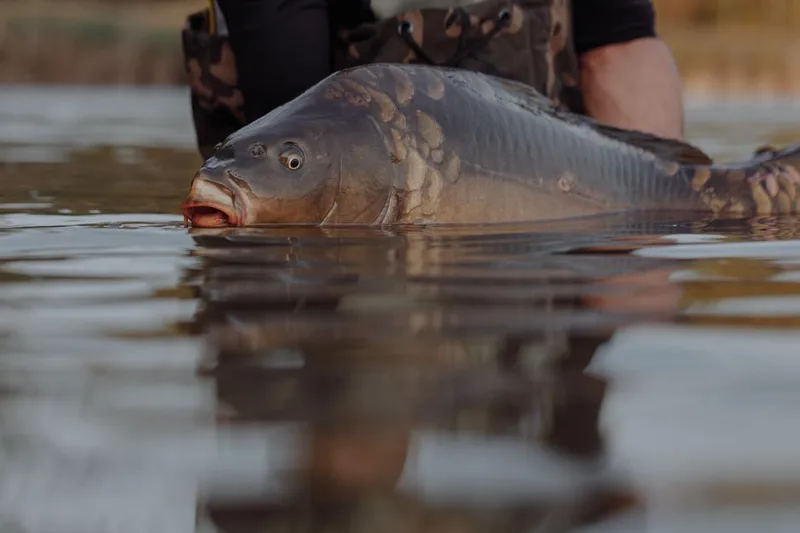
The boilie position on the hook shank directly affects hook-up rates.
For rigs sitting near the bottom, place the boilie near the front of the shank , the hook point tilts downward in a concealed posture, ideal for large carp.
When fishing for grass carp with the hook 20cm off the bottom, place the bait at the top of the hook bend.
Rule of thumb: the closer the bait is to the bottom, the further the boilie from the hook point; the higher off the bottom, the closer.
1. Which part of the hook is best for positioning the boilie?
This depends on the hook's height off the bottom based on your rig: For rigs sitting slightly off the bottom, position the boilie near the front of the shank.
This keeps the hook point tilted downward in a concealed posture, ideal for targeting large carp or black carp.
When fishing for grass carp with the hook 20 cm off the bottom, the bait should be placed at the top of the hook's bend. Different fish have significantly different feeding habits.
The rule of thumb is: the lower the bait is to the bottom, the further the boilie is from the hook point; the higher off the bottom, the closer the boilie is to the hook point.
2. How much buoyancy should the hooklink have, and how do I adjust it?
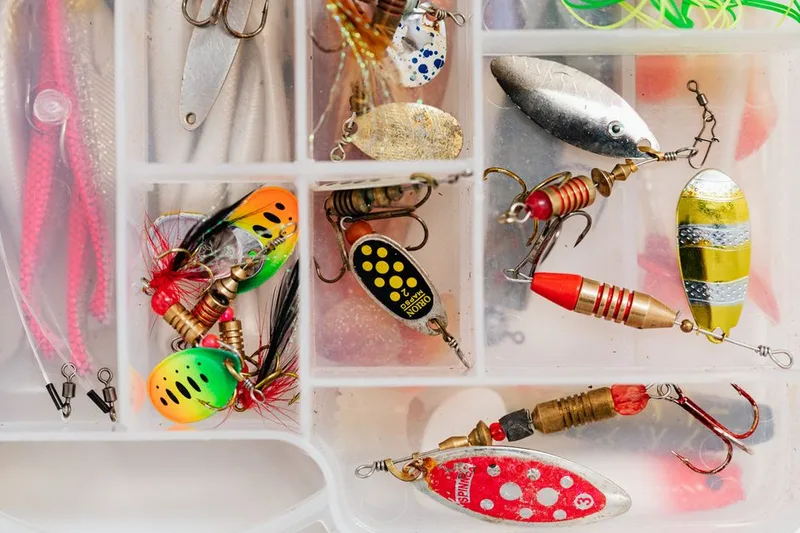
The buoyancy at the rig's bottom comes from two sources: the pop-up boilie itself and the EVA foam material.
The common requirement is that they must have enough sustained buoyancy to lift the combined weight of the hook and the boilie for long periods.
3. What is the optimal state for a hooklink underwater?
In large bodies of water, the water column constantly moves due to weather and topographical changes, creating currents. The hooklink, along with the floating hook and boilie, sways with the current.
The more natural this sway is, the more it lowers the fish's guard.
Therefore, the hooklink shouldn't be pulled completely taut vertically by excessive buoyancy, which makes the movement look stiff and unnatural compared to the surroundings.
Allowing a slight bit of slack in the hooklink increases its range of motion with the current, making it smooth, subtle, and harmonious with the underwater environment. This is the optimal state.
Matching Hooklink to Mainline?
LineCalc Pro recommends the perfect line diameter for your rig setup.
Try LineCalc ProBuoyancy Quick Reference
- Carp (bottom feeder): Boilie close to bottom, hook point tilted down
- Grass carp (mid-water): Boilie 20cm+ off bottom, bait near hook bend
- Pop-up boilie: Fixed buoyancy , swap size to adjust
- EVA foam: Trimmable buoyancy , soak in liquid attractant
Source
Based on "欧洲库钓法100问" by Chen Qingzhou. Buoyancy section adapted with additional angling experience.
Frequently Asked Questions
Who is this guide for?
Anglers looking to make informed decisions about fishing line selection , from beginners to experienced fishermen who want to understand the technical details behind line performance.
What's the most common mistake anglers make?
Choosing line based on price alone, or using the same line for every situation. Line diameter, material, and pound test should match your target species, water conditions, and fishing technique.
How often should I replace my fishing line?
Monofilament: every season or after 8-12 trips. Fluorocarbon: every 2 seasons. Braided line: can last 2-3 seasons if properly maintained. Replace immediately if you see fraying, discoloration, or memory coils.
Braid vs Mono vs Fluorocarbon , which should I pick?
Braid for sensitivity, casting distance, and heavy cover. Mono for topwater lures, stretch forgiveness, and budget. Fluorocarbon for clear water, leader material, and abrasion resistance. Most anglers use a combination.
What pound test line should I use?
Match to your target species: 4-8lb for panfish, 8-12lb for bass, 15-30lb for catfish/striper, 30-65lb for musky/saltwater. Check your rod's line rating , it's printed on the blank for a reason.
What should beginners check before buying line?
1) Match line weight to your rod rating. 2) For spinning reels, stick to 8-12lb to avoid wind knots. 3) Don't overspend on your first spool , $8-15 mono is perfectly fine to learn on.