Table of Contents
- Why Spring Fish Don't Play by Summer Rules
- The 55-Degree Trigger Point
- Tides That Produce When Water Is Cold
- Where Spring Fish Hold , Reading Cold-Water Structure
- Gear That Won't Fail You When It Counts
- Bait Presentation , Slower Than You Think Is Right
- Wind, Weather, and Knowing When to Stay Home
- FAQ
What's Inside
The wind had teeth that morning. Early March, 6:15 AM, standing on the north jetty with my collar up and fingers already numb.
The angler next to me had been there since 5:00 and hadn't had a touch. He packed up at 7:30, shaking his head, muttering something about the fish not being in yet.
He was wrong. The fish were there. They just weren't interested in what he was offering , or how he was offering it.
Spring sea fishing breaks every rule you learned in July. The fish are present, but they're cold, sluggish, and deeply suspicious. They won't chase a fast-moving lure. They won't strike out of aggression.
And they definitely won't be where you expect them. I've been fishing Northeast saltwater for 18 spring seasons, and the single biggest lesson is this: outsmarting spring fish isn't about fishing harder.
It's about fishing differently.
Why Spring Fish Don't Play by Summer Rules
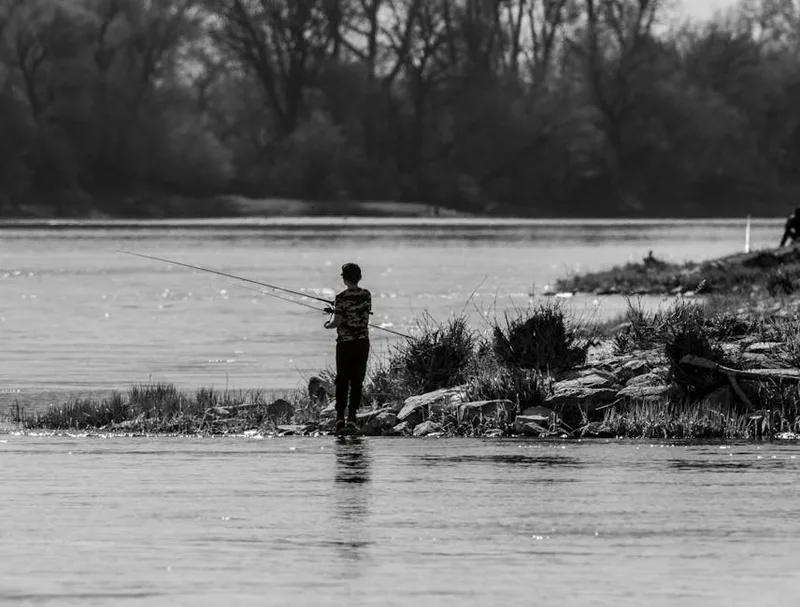
In summer, a striped bass will chase a plug 30 feet without hesitation. In spring, it might not chase three feet. The difference comes down to one factor: metabolism.
Fish are cold-blooded. Their body temperature matches the surrounding water, and their metabolic rate scales accordingly. At 50°F, a striper's metabolic rate runs at roughly half of what it does at 68°F.
Half the energy means half the willingness to chase , and none of the aggression.
This changes everything about how you approach the water. Cold fish conserve energy obsessively. They hold tight to structure.
They feed in short, opportunistic windows , typically when the tide brings food directly to them rather than requiring them to hunt it down.
Unlike summer, when covering water quickly and triggering reaction strikes produces results, spring fishing demands precision, patience, and a willingness to slow everything down to a crawl.
Forget covering ground. Pick a spot where fish are likely stacked up, and work it methodically. One productive rock pile fished for two hours will outproduce a mile of shoreline fished in 30 minutes during early spring.
The 55-Degree Trigger Point
I keep a simple digital thermometer in my surf bag. Before I even rig up, I wade out knee-deep and take a reading. That number dictates everything I do for the rest of the trip.
Here's why 55°F matters. It's the approximate threshold where inshore gamefish metabolism shifts from survival mode into active feeding. Below 52°F, fish are barely moving.
Between 52°F and 55°F, they start showing interest but won't chase. Above 55°F, the switch flips , baitfish move in from deeper water, predators follow, and the bite goes from "maybe" to "on."
This temperature gradient plays out across every bay and estuary in spring. Pay attention to shallow bays and south-facing shorelines , they warm fastest.
On a sunny April day, the north side of a bay might read 49°F while the south-facing shoreline hits 54°F. That five-degree difference is where the bait aggregates, and where the predators will be waiting.
Stained water warms faster than clear water. Mud-bottom coves absorb and retain heat better than sandy flats. Dark-bottom areas can be three to five degrees warmer than adjacent clear-water zones.
Find the warm spots and you find the fish. It really is that simple , and that overlooked by anglers who never check temperature.
Tides That Produce When Water Is Cold
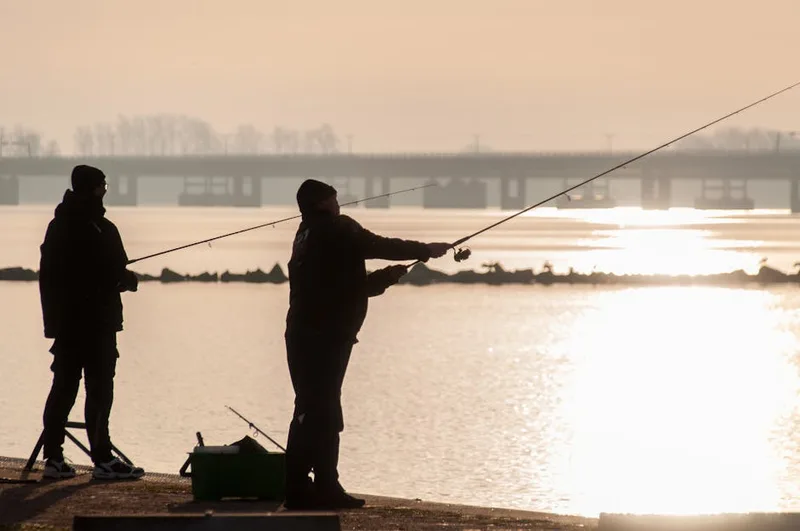
In summer, big tidal swings stir up bait and trigger aggressive feeding. In cold water, the opposite is often true. Fish in 50-degree water don't want to fight a strong current.
They'll tuck behind structure and wait it out rather than burn calories fighting the flow.
The sweet spot for spring fishing is often the moderate tides , the quarter moons.
These neap tides bring enough water movement to deliver food but not so much that fish have to expend significant energy holding position. The two hours around slack tide become disproportionately important.
When the current dies, fish that have been sheltering behind rocks and pilings finally venture out to feed.
Plan your trip around these windows. Target the last hour of the incoming and the first hour of the outgoing.
That transition period, when the water is moving but not raging, consistently produces more strikes than peak current in cold conditions.
Where Spring Fish Hold , Reading Cold-Water Structure
In warm water, fish spread out across flats, channels, and open water. In cold water, they bunch up. Every fish in a given area might be holding in the same 50-yard stretch of structure.
Find that stretch and you can have a spectacular day. Miss it by 100 yards and you'll think the bay is empty.
Channel edges near structure are spring gold mines. A drop-off that goes from six feet to 15 feet, positioned directly next to a mussel bed or rock pile, gives fish everything they need.
They can slide up onto the shallow shelf during warming trends to feed, then drop back into deeper, more thermally stable water when a cold front arrives.
Also look for current breaks. Bridge pilings, jetty tips, submerged boulders , anything that creates slack water on the down-current side. Cold fish will stack in these eddies, waiting for food to wash past.
Cast upstream of the structure and let your bait drift naturally into the slack zone. Strikes often come the moment the bait transitions from moving water to still.
Gear That Won't Fail You When It Counts
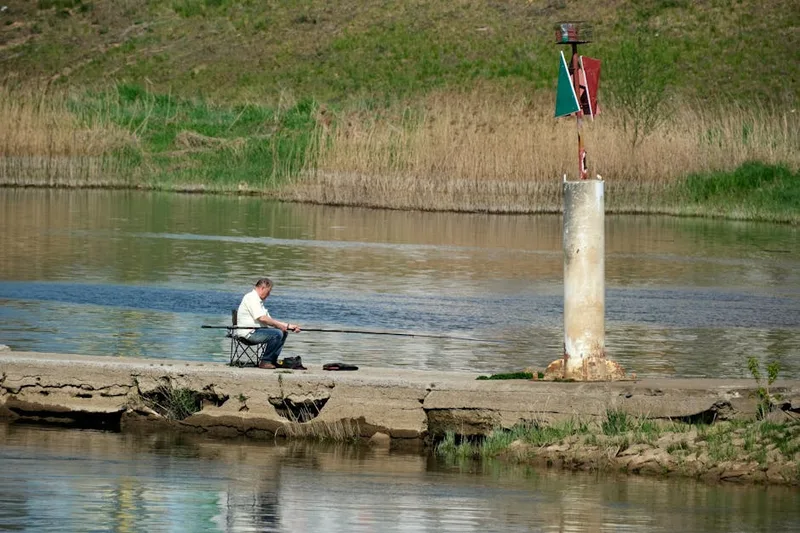
Spring saltwater punishes gear in ways summer doesn't. Cold temperatures stiffen lines. Salt crust builds on guides faster when wind chill keeps everything damp. Corrosion accelerates in the constant spring dampness.
I learned this lesson the expensive way. In 2019, I lost a serious fish when my braided line snapped at a wind knot caused by cold-weather stiffness. Since then, I follow three non-negotiable rules for spring gear.
Spring Saltwater Gear Checklist
- Line: High-quality 8-strand PE braid in 20-30lb. Cheap braid turns into wire below 45°F. Premium 8-strand construction stays supple. For the full breakdown on why PE rating matters more than pound test, read our PE rating vs pound test guide.
- Leader: 20-25lb fluorocarbon. Spring water runs clearer than summer, so visibility matters. Lighter fluoro gets more bites from spooky fish.
- Reel maintenance: Corrosion-block spray on the bail, handle, and line roller before and after every trip. Two minutes of maintenance saves a blown reel.
- Rod: 7' to 9' medium-action. Softer tip compensates for cold-stiffened line and absorbs head shakes from sluggish fish.
Check your guides for wear before the season starts. A single chipped ceramic insert will fray your braid in under an hour of casting.
I replace guide inserts every other season , the $20 cost is nothing compared to losing a trophy fish to a cut line.
Bait Presentation , Slower Than You Think Is Right
If you take one thing from this article, make it this: fish half as fast as you think you should. Then slow down some more.
In July, I burn bucktails through the water column and bass crush them. In April, that same retrieve produces exactly zero strikes. A spring striper wants the lure moving so slowly it barely looks alive.
I count my retrieve speed in seconds per turn of the reel handle, not turns per second.
Soft plastics outfish hard baits roughly 3-to-1 in my spring logbook. A five-inch paddletail on a 3/8-ounce jighead, crawled along the bottom with long pauses, consistently produces.
Let it sit for five, six, sometimes 10 seconds between hops.
The strike often comes on the pause — the fish has been watching, deciding, and when the lure stops moving entirely, instinct takes over and it inhales the bait.
Natural bait dominates spring fishing more than any other season. Fresh clams, bloodworms, and cut bunker produce when artificials can't get a look.
The scent trail disperses effectively in cold, dense water, traveling farther than the vibration signature of a lure. Cold fish hunt by smell more than by sight or lateral line sensation.
Bring both options and let the conditions dictate which gets tied on.
Recommended: PowerPro Super8Slick V2 , 20lb
This 8-strand braid stays supple down to freezing temperatures. The smooth coating reduces guide friction and wind-knot tendency in cold conditions.
I've run it on my spring striper setup for three seasons without a single cold-weather failure. The 20lb diameter casts cleanly on a 4000-size reel and handles fish up to 35 pounds confidently.
Check Price on AmazonWind, Weather, and Knowing When to Stay Home
Spring weather on the coast changes faster than any other season. I've watched conditions go from flat calm to 25-knot gusts in under 45 minutes. Three things matter more than the forecast app on your phone.
First, wind direction relative to your chosen spot. A 15-knot north wind on a north-facing beach makes fishing miserable and potentially dangerous. That same wind on a south-facing cove barely registers.
Pick your location based on the wind, not in spite of it. Have a backup spot for every wind direction you might face.
Second, water clarity after rain. A heavy spring downpour muddies inshore water for 24 to 48 hours.
Fishing in chocolate milk is a waste of time , cold fish that already don't want to chase need to see the bait.
Give it two full days after a major storm before expecting clear conditions.
Third, always bring the survival basics. Waterproof top, extra layer, headlamp, and a fully charged phone sealed in a dry bag.
Spring water temperatures in the 40s and 50s will incapacitate you in minutes if you go overboard. No fish is worth hypothermia. Let someone know where you're going and when you expect to return.
FAQ
What's the best tide for spring sea fishing?
The last hour of the incoming tide through the first hour of the outgoing is the prime window.
During cold water periods, fish feed most actively around slack tide when currents are minimal and they don't have to fight the flow.
Spring tides around full and new moons often push too much current in cold water , moderate neap tides around quarter moons typically fish better in early season.
Target the tide transition rather than peak flow.
What water temperature triggers the spring bite?
55°F is the threshold for most Northeast and Mid-Atlantic inshore species. Striped bass, bluefish, and fluke all become markedly more active once water temperatures cross this mark.
Carry a small digital thermometer and check before rigging up. Below 52°F, focus on deep structure near channel edges. Above 55°F, start working the middle water column and shallower structure.
For a complete breakdown of line selection by conditions, see our saltwater fishing line guide.
Do I need different line for spring saltwater fishing?
Yes. Cold water stiffens budget braided and monofilament lines, creating wind knots and tangles. High-quality 8-strand PE braid stays supple in cold temperatures.
Also step down in leader strength , clear spring water demands lighter, less visible fluorocarbon. A 20lb fluoro leader consistently outfishes 30lb in spring conditions. The fish can see the difference.
Are lures or bait better for spring sea fishing?
Both earn their place, but natural bait consistently outperforms artificials in cold water. Scent disperses well in cold, dense water, and sluggish fish track stationary bait more readily than they chase moving lures.
Soft plastics crawled very slowly along the bottom can produce when bait isn't available. The smart approach: bring both. Start with bait during the first hour.
If fish show aggression, switch to soft plastics to cover more water.
Sources & Industry References
- International Game Fish Association (IGFA) , Official world record authority and fishing line standards reference
- Wired2Fish , Independent fishing gear reviews and line testing data
- Tackle Warehouse , Comprehensive fishing line specs, diameter charts, and user reviews
Found This Guide Helpful?
Check out LineCalc Pro , our free fishing line calculator that recommends the perfect line for your exact setup. No guessing, no wasted money.
Try LineCalc Pro →Frequently Asked Questions
Who is this guide for?
Anglers looking to make informed decisions about fishing line selection , from beginners to experienced fishermen who want to understand the technical details behind line performance.
What's the most common mistake anglers make?
Choosing line based on price alone, or using the same line for every situation. Line diameter, material, and pound test should match your target species, water conditions, and fishing technique.
How often should I replace my fishing line?
Monofilament: every season or after 8-12 trips. Fluorocarbon: every 2 seasons. Braided line: can last 2-3 seasons if properly maintained. Replace immediately if you see fraying, discoloration, or memory coils.
Braid vs Mono vs Fluorocarbon , which should I pick?
Braid for sensitivity, casting distance, and heavy cover. Mono for topwater lures, stretch forgiveness, and budget. Fluorocarbon for clear water, leader material, and abrasion resistance. Most anglers use a combination.
What pound test line should I use?
Match to your target species: 4-8lb for panfish, 8-12lb for bass, 15-30lb for catfish/striper, 30-65lb for musky/saltwater. Check your rod's line rating , it's printed on the blank for a reason.
What should beginners check before buying line?
1) Match line weight to your rod rating. 2) For spinning reels, stick to 8-12lb to avoid wind knots. 3) Don't overspend on your first spool , $8-15 mono is perfectly fine to learn on.