Late afternoon on a small lake. Wind at your back. You're working a frog over the weed edge for bass, and the cast feels perfect. Then the spool keeps spinning after the frog stops.
Line explodes off the reel in a brown cloud. Your hand finds the nest before your eyes do. That's a backlash. With braided line, it's the worst tangle in fishing.
Mono nests you can pick out. You sit on the bank, work the loops free, and you're fishing again in ten minutes. Braid does not cooperate.
The strands are thin and slippery. Under pressure they fuse into one solid wad. The more you pull, the tighter it sets.
There's a running joke on fishing forums about this exact moment. Someone posts a photo of a 30 lb braid nest and asks for help. The usual answer: cut the spool and go back to mono. That's the community verdict on how bad braid backlashes get.
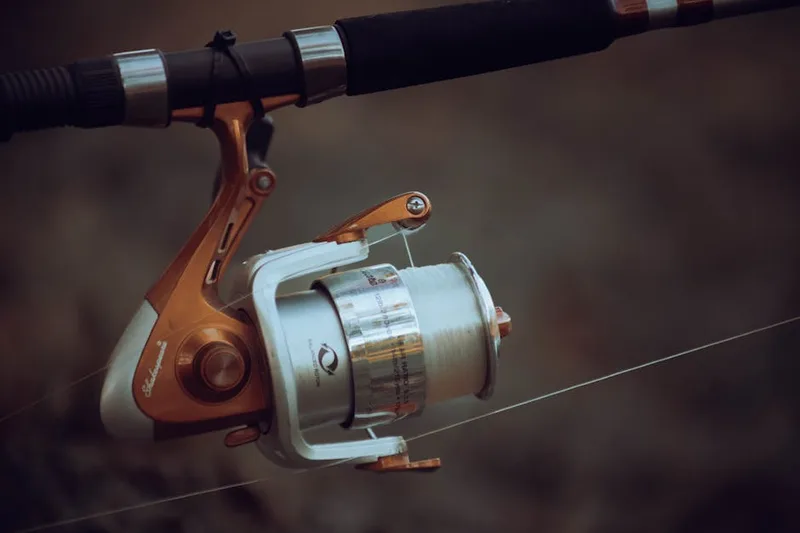
The Tangle That Ends Sessions
Monofilament has memory and stretch. When it nests, the coils stay separate. You can see where one loop ends and the next begins. Pick at it slowly and it comes apart.
Braid has neither. It won't stretch, and it won't hold a coil shape. A backlash packs the strands into a tight wad. Yank on a mono nest and it loosens. Yank on a braid nest and you weld it together.
Thin diameter makes it worse. 30 lb braid runs about the same thickness as 8 lb mono. That fine line digs into itself. Every strand locks against the next. The tangle turns into a knot the size of a marble.
Anglers who fish heavy braid know the worst case. A 30 or 40 lb nest that fuses solid means an hour of picking or a cut spool. Many choose the cut. That's why so many boats carry a spare spool of mono.
What Starts a Backlash
A backlash starts when the spool feeds line faster than the lure pulls it. The line piles up and flips over itself. Braid just makes the failure dramatic.
Cast control is the first suspect. On a baitcaster, that dial or magnetic brake sets how fast the spool can turn. Set it too low and the spool overruns on every hard cast.
Wind is the second cause. Braid is light and flat. A headwind catches it and slows the lure mid-flight. The spool keeps spinning. The line has nowhere to go. This is why backlash days are windy days.
Loose line on the spool is the third. If the line went on without tension, the first cast digs into the soft layers below. The spool feeds uneven coils. Same result: a nest.
Uneven line lay does it too. Line that crosses over itself on the spool catches and stalls. After you fill a spool, look at it. It should sit like a flat ribbon, not a pile.
How to Fix a Braid Backlash Without Cutting the Spool
First, stop pulling. Every tug sets the tangle harder. Set the rod down and look at what you have.
The community hack that actually works: a fine-toothed comb. The kind with very close teeth, sold cheap at any drugstore. Work it into the nest from the outside in. The teeth separate the strands without yanking them tighter.
Anglers who carry one swear by it. Go slow and flick the comb through the outer loops first. Braid releases in layers. Once the outside mess is free, the inner coils often drop out on their own.
If the nest is fused solid, do the math. Ten minutes with a comb beats an hour of swearing. And if it's truly welded, cut the tangle out, not the whole spool. Trim back to clean line and retie.
Then fix the setup before the next cast. Crank the magnetic cast control up two or three clicks. Cast a practice lure in open water. Dial the brake down one click at a time until it casts smooth and stops overrunning.
Mono backing is the other half of the fix. Braid slips on a smooth spool. The whole mass of line can rotate under the braid on a hard cast.
Put 10 to 20 yards of cheap mono on first. Or wrap the spool in electrical tape. The braid grabs the backing and stops sliding.
How much backing do you need? That depends on your spool size and reel type. Our mono backing guide covers the exact setup for baitcasters and spinning reels.
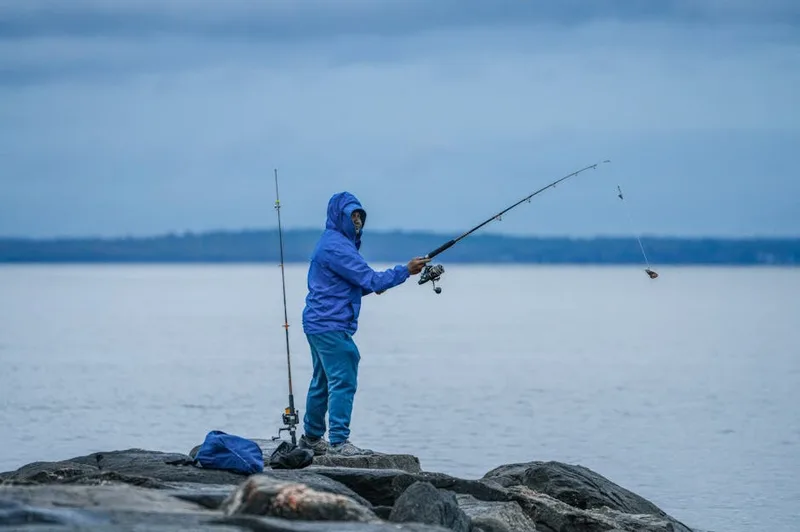
Braid Slips. Braid Fuses. Braid Fights Back.
Braid acts different on the spool than mono. Understand these three things and half your backlash problems disappear.
It slips. A bare metal spool is too smooth for braid. Under the shock of a cast, the whole spool of line can rotate underneath. Backing fixes it.
It won't self-heal. Mono nests loosen when you pull drag. The stretch lets the line untwist. Braid has no stretch. A braid backlash stays locked until you pick it apart by hand.
It needs the right knot. A clinch knot works on mono because the line grips itself. Braid is too slick. The knot slides open under pressure. Tie a Palomar knot instead. Wet it, cinch it slow, and it holds.
How to Keep a Braided Line Tangle From Ever Happening
Prevention beats picking. Check spool tension before every session. The line should sit firm, with no soft spots you can press with a thumb.
Don't cast into a headwind. It's the biggest trigger for braid backlashes. Wind in your face? Switch to a sidearm cast or wait for the gusts to drop.
Spool new line tight. Run the braid through a wet cloth while it goes on. Loose line on day one means nests on day two. If you're new to spooling braid, our step-by-step spooling guide shows the right way to load it.
Trim the first few yards every couple of trips. The line near the lure takes the most abuse. Fresh braid casts cleaner than line that's been whipped by the wind.
Learn to thumb the spool. On a baitcaster, your thumb is the real brake. Feather the spool as the lure lands and you stop overruns before they start.
Mistakes Anglers Keep Making (Skip Them)
Turning the brakes off for distance. Yes, it casts farther. It also nests harder. Good casters run higher brakes and make up the distance with technique.
Casting into the wind anyway. You know the forecast. You know braid is light. The nest costs more time than waiting twenty minutes for the wind to die.
Skipping the backing to save a few bucks. Electrical tape costs two dollars. A fresh spool of 30 lb braid costs a lot more. Do the math.
Pulling the tangle tight out of frustration. That's how a ten-minute fix becomes a cut-the-spool moment. Walk away. Come back with the comb.
Braid Done Right: A Setup Checklist for Beginners
Braid is worth the learning curve. It casts farther. It packs more strength per diameter. The zero stretch turns light taps into solid hooksets. The setup is the price of admission.
Here's the order to follow:
- Back the spool with 10 to 20 yards of mono, or electrical tape.
- Spool the braid tight, under tension the whole way.
- Fill to about an eighth of an inch from the rim.
- Set the brakes higher than you think you need.
- Tie on a leader with a Palomar knot.
- Practice cast in open water, dialing the brakes down slowly.
- Check the spool before every trip.
Skip the leader only in stained water. In clear water, braid spooks fish. A short fluoro leader keeps the invisibility without giving up the casting distance. If you're still choosing between line types, our braid vs mono comparison lays out the trade-offs.
One more thing. If your trouble is wind knots on a spinning reel, that's a different problem with a different fix. This guide is about backlash nests on the cast. The spinning reel line guide covers that fight.
Braid backlash is frustrating because braid punishes mistakes harder than mono. Fix the setup and the punishment stops. The comb stays in your bag. The backing stays on the spool. And braid does what it does best: casts a mile and sets hooks like a freight train.
FAQ
How do you fix a braid backlash fast?
Stop pulling first. Work a fine-toothed comb into the nest from the outside in, loosening the outer loops before the inner ones. Most nests come apart in layers. If it's fused solid, cut the tangle out, trim back to clean line, and retie.
Why is my braid backlash so hard to pick out?
Braid has no stretch, and the thin strands fuse together under pressure. Mono loosens when you pull on it. Braid locks tighter. That's why community advice for a bad braid nest is often to cut the spool and respool.
Do I need mono backing under braid?
Yes, on smooth spools. Braid slips on bare metal or plastic, and the whole spool of line can rotate under the braid on a hard cast. Ten to twenty yards of cheap mono, or electrical tape, gives the braid something to grip.
What knot should I use with braided line?
The Palomar knot. A clinch knot slides open on slick braid. The Palomar grips because the line doubles back through itself. Wet it before you cinch it, and leave the tag end a little long.
Sources & Industry References
- International Game Fish Association (IGFA): official world record authority and fishing line standards reference
- Wired2Fish: independent fishing gear reviews and line testing coverage
- Tackle Warehouse: braided line specs, diameter charts, and user reviews
Stop Guessing. Start Catching.
Try LineCalc Pro, our free line recommendation tool. It matches line type and strength to your exact reel, species, and conditions.
Try LineCalc Pro →