Table of Contents
- Why Line Twist Happens (And Why It Always Strikes at the Worst Time)
- 1. What is "line twist" (internal stress) on a fishing line?
- 2. What is the cure for line twist?
- 3. Why shouldn't I open the bail arm when dropping lines with a bait boat?
- 4. Why must I open the bail arm exactly when the bait boat drops the rig at the spot?
- 5. How do I fix severe line twist and tangles once they happen?
I was 30 seconds from landing a 22-pound common carp. The fish was tired. The net was in the water.
I dropped the rod tip to give it slack for netting , and watched my line explode into a tangled mess. The carp bolted. Game over.
That was the day I stopped ignoring line twist. Here's everything I've learned since.
Why Line Twist Happens (And Why It Always Strikes at the Worst Time)
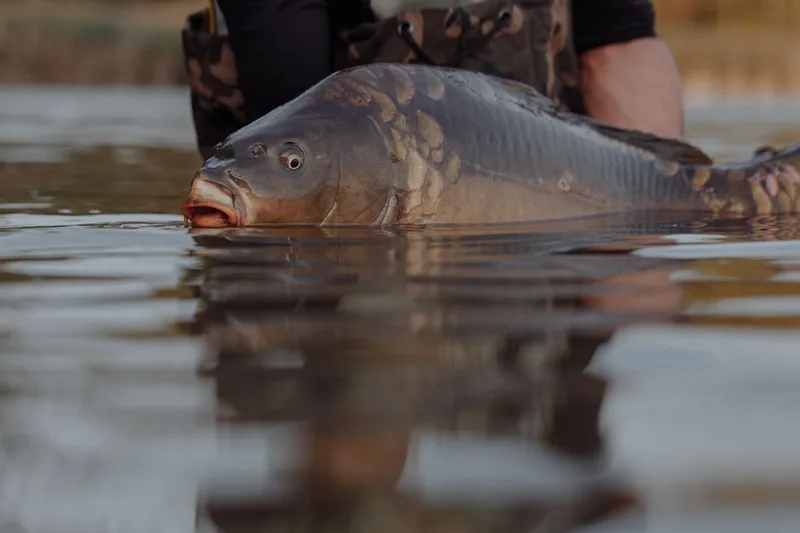
Line twist is a rotational axial force that builds up along your fishing line. During the fight, tension keeps it suppressed.
The moment you drop tension , netting a fish, opening the bail , the twist violently releases. The result: a bird's nest that can cost you a trophy catch.
Three things cause twist: casting (each cast adds micro-rotations), bait boat drops (if you open the bail, the line peels off in coils , 100m of line = 625 twists), and reeling against drag (the spool spins faster than line is taken in).
For a deeper dive on preventing twist at the reel, see our guide on how to spool without line twist , the same principles apply to mono and fluoro.
1. What is "line twist" (internal stress) on a fishing line?
Line twist is a rotational axial force that builds up radially along the fishing line. While this is a necessary manufacturing technique for making ropes and nets, it's a massive headache in fishing line.
It always seems to strike at the worst possible moment, right when you are netting a fish. During the fight — the line is under tension, keeping the twist suppressed.
However, netting requires you to give the fish some slack. The moment you drop the tension — the internal twist violently releases, instantly tangling the line into a massive birds-nest (like twisted dough).
If the fish is safely in the net, fine. But if you miss the net and the fish makes a sudden run, you can't release line, and you can't reel in.
It is an incredibly frustrating and helpless situation.
2. What is the cure for line twist?
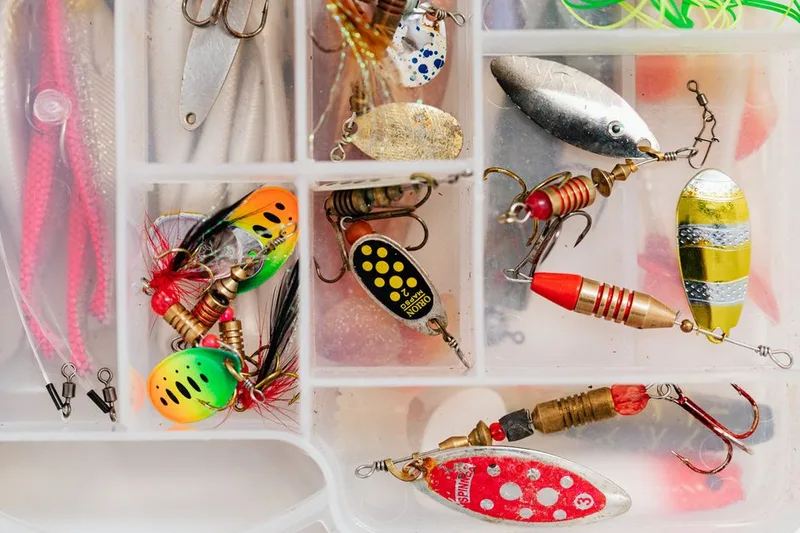
Eliminating and managing line twist relies heavily on a tiny rig component: the high-speed anti-twist swivel.
It connects your mainline to your rig, but its critical function is utilizing its reverse-spin capability to neutralize the twist built up in the line.
When the twist tries to release, the swivel rapidly spins in the opposite direction, bleeding off the rotational force.
This minimizes the clustering effect, at least keeping the twisted loops large enough that they don't tightly knot over themselves, which also helps you untangle it later.
3. Why shouldn't I open the bail arm when dropping lines with a bait boat?
If you open the bail arm on a spinning reel to let the boat pull the line, the line peels off the spool in coils.
If one coil is 16 cm long, dropping a rig 100 meters away means you've put 625 twists into the line. A massive tangle is guaranteed. So, what's the solution?
4. Why must I open the bail arm exactly when the bait boat drops the rig at the spot?
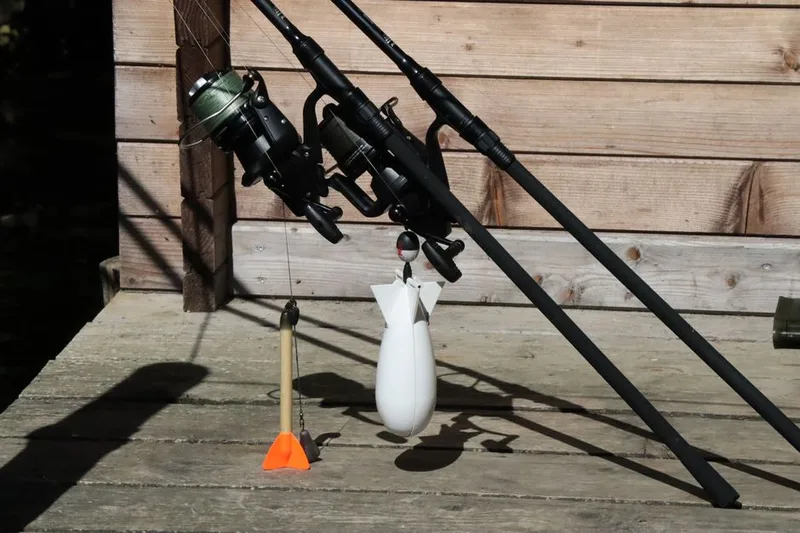
This is a critical detail. When the rig is transported to the spot and dropped, you must immediately open the bail arm.
If you don't, as the heavy rig sinks to the bottom, the tension from the mainline (still running through the baitrunner drag) will pull the rig back toward you in an arc, causing it to land far off the baited spot.
This is especially severe in deep water, the deeper it is, the worse the deviation. This is likely the reason you can sit for hours over a baited spot without a single bite.
5. How do I fix severe line twist and tangles once they happen?
Repeated casting, reeling, and bait boat drops will inevitably cause line twist to accumulate. It manifests as severe tangles, which ruin the fishing experience and destroy the line. Try these three methods to fix it:
Tired of Fighting Tangled Line?
LineCalc Pro matches your reel size and fishing style to the right line diameter , less twist, fewer tangles, more fish.
Try LineCalc Pro →Quick Reference: Line Twist Prevention
- Bait boat: Always use baitrunner drag, never open the bail
- Casting: Use a high-speed anti-twist swivel between mainline and rig
- After drop: Let slack line sit untensioned for 15 seconds
- Recovery: Lift rod high → spin rig freely → drop tip to push twist down
- Maintenance: Clean and oil swivels after every session
Source
Based on "欧洲库钓法100问" (European-Style Reservoir Fishing: 100 Questions) by Chen Qingzhou. Line twist section adapted and expanded with additional angling experience.
Found This Guide Helpful?
Check out LineCalc Pro , our free fishing line calculator that recommends the perfect line for your exact setup.
Try LineCalc Pro →Frequently Asked Questions
Who is this guide for?
Anglers looking to make informed decisions about fishing line selection , from beginners to experienced fishermen who want to understand the technical details behind line performance.
What's the most common mistake anglers make?
Choosing line based on price alone, or using the same line for every situation. Line diameter, material, and pound test should match your target species, water conditions, and fishing technique.
How often should I replace my fishing line?
Monofilament: every season or after 8-12 trips. Fluorocarbon: every 2 seasons. Braided line: can last 2-3 seasons if properly maintained. Replace immediately if you see fraying, discoloration, or memory coils.
Braid vs Mono vs Fluorocarbon , which should I pick?
Braid for sensitivity, casting distance, and heavy cover. Mono for topwater lures, stretch forgiveness, and budget. Fluorocarbon for clear water, leader material, and abrasion resistance. Most anglers use a combination.
What pound test line should I use?
Match to your target species: 4-8lb for panfish, 8-12lb for bass, 15-30lb for catfish/striper, 30-65lb for musky/saltwater. Check your rod's line rating , it's printed on the blank for a reason.
What should beginners check before buying line?
1) Match line weight to your rod rating. 2) For spinning reels, stick to 8-12lb to avoid wind knots. 3) Don't overspend on your first spool , $8-15 mono is perfectly fine to learn on.