Table of Contents
It's 6:15 AM on opening day.
You pull your spinning rod out of the garage. The reel hasn't turned since October.
You flip the bail open for the first cast of the season , and three feet of monofilament explodes off the spool in tight, springy coils that look like a miniature slinky.
You didn't spool it wrong. You didn't do anything wrong. Mono just does this after sitting.
Here's the good news: you can fix line memory on monofilament without respooling. The three methods below are ranked by what I've actually tested over multiple seasons , not what sounds good on a forum.
One takes 20 minutes at home. One works on the water. One prevents it from coming back.
Why Does Mono Coil Like That?
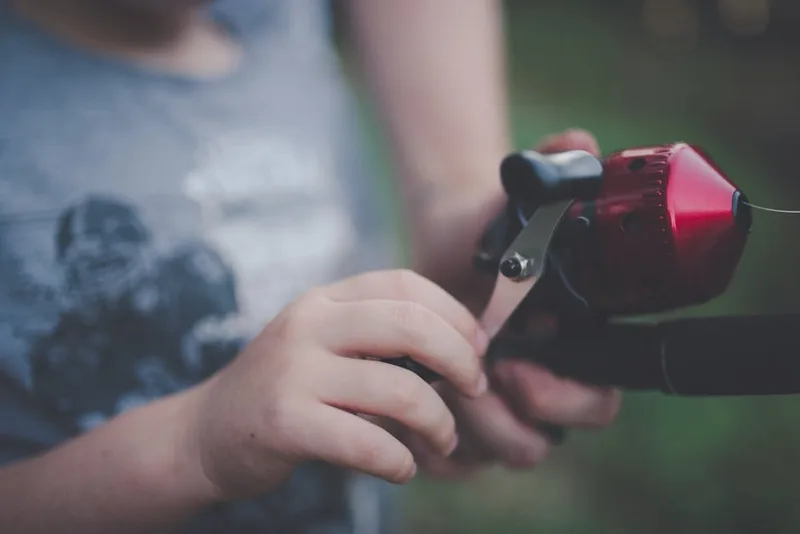
Monofilament is nylon , a polymer. When it sits wound on a spool for weeks or months, the polymer chains reorganize themselves to match that curved shape.
The tighter the spool diameter, the worse the memory. If you're comparing line types for the first time, our braid vs mono vs fluorocarbon guide breaks down how each material behaves on the reel.
Three things make it worse:
- Heat. If your reels spent last August in a 110°F garage or car trunk, those polymer bonds set hard. I learned this the expensive way with a $25 spool of Seaguar that turned into a corkscrew after one Texas summer.
- Time. Mono left untouched for 6+ months develops deeper memory. The bonds don't "relax" on their own , they lock in.
- Line diameter. 12-pound test coils worse than 6-pound, and 20-pound is a nightmare on a size 2500 reel. Thicker line = more material resisting the spool curve.
The key difference between memory and line twist: memory makes vertical loops (like a slinky). Twist makes kinks and spirals. Different problems, different fixes.
What's the Most Reliable Way to Fix Line Memory at Home?
Best for: Fixing memory at home before a trip. Works on nylon mono (not fluorocarbon).
This is the method Walker Smith at Wired2Fish uses , and after testing it against everything else, it's the most reliable.
What you need: A bowl, warm tap water (120-140°F , hot but not boiling), 20 minutes.
Steps:
- Remove the spool from your reel. Do NOT dunk the whole reel , hot water destroys drag grease and internal bearings.
- Fill a bowl with the hottest water your tap produces. If you can hold your finger in it for 3 seconds without pain, it's about right.
- Submerge just the spool. The line needs full contact with the water.
- Wait 20 minutes. Then let the water cool to room temperature with the spool still in it. This "sets" the relaxation.
- Blot the spool dry with a towel. Reinstall and fish.
The science: warm water brings nylon above its glass transition temperature (around 120°F), allowing the polymer chains to mobilize and reset. Cooling slowly locks them in a straight(er) configuration.
⚠️ Never use boiling water. It degrades tensile strength and can warp plastic spool components.
I tested this on some old 8-pound Trilene , the line looked great coming out of 200°F water, but snapped at roughly 60% of its rated strength on a pull test.
How Do You Fix Line Memory When You're Already at the Lake?
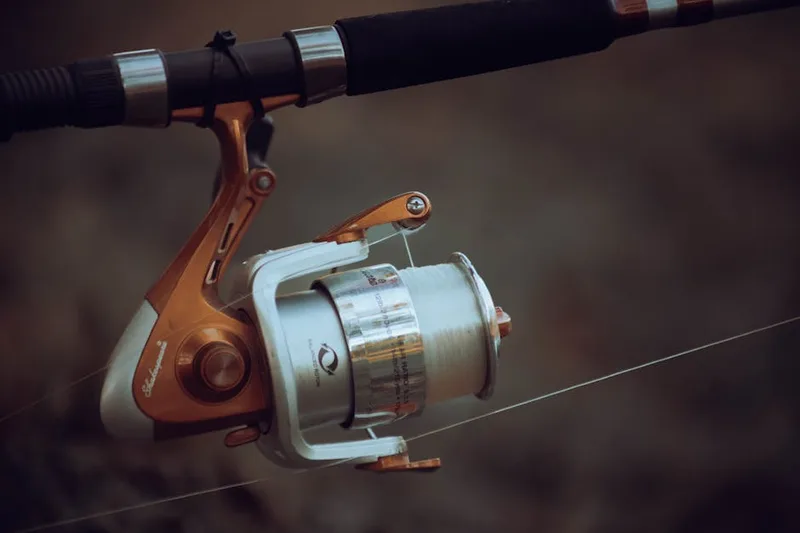
Best for: On-the-water emergency fix. You're at the lake and the line is unfishable.
This takes 5 minutes and no equipment besides your feet.
Steps:
- Remove your lure or terminal tackle. Bare line only.
- Tie the tag end to a tree, fence post, trailer hitch , anything solid.
- Open the bail and walk backward 50-75 yards, letting line peel off the reel.
- Close the bail. Point the rod tip at the anchor point.
- Apply steady, sustained tension — not a jerk, not a sharp pull. You want a slow stretch where you can feel the line give. Hold for 30-60 seconds.
- Walk forward while reeling under finger tension. The line should lay flat now.
The key word is steady. Jerking the line creates weak spots. I've snapped 6-pound mono doing this wrong , the sudden load at a kink point is where it breaks.
Warning on heavier line: For 15-pound and up, stretching can genuinely compromise the line if overdone. Nylon stretches roughly 20-25% before permanent deformation.
On lighter lines (4-8 lb), the force required to reach that point is lower than what most people can generate by hand. On 15+ pound test, you can absolutely over-stretch if you're aggressive.
Go slow, stop when you feel resistance plateau.
Can Line Conditioner Actually Fix Memory Coils?
Best for: Quick morning-of fix + ongoing prevention. Less effective alone than methods 1 or 2, but works well as a combo.
I tested three products side by side on identically-aged 10-pound Berkley Trilene XL:
| Conditioner | 5-Minute Coil Reduction | Lasted Through a Full Day? | Price per oz |
|---|---|---|---|
| KVD Line & Lure | ~70% reduction | Yes , still limp at hour 6 | ~$1.20 |
| Real Magic | ~50% reduction | Faded after ~3 hours | ~$1.50 |
| DIY (water + fabric softener, 10:1) | ~30% reduction | Gone within 1 hour | ~$0.10 |
KVD won convincingly. It's a polymer-bonding conditioner , it actually penetrates the nylon rather than just coating it. Real Magic is silicone-based and works, but doesn't last as long.
The DIY approach is better than nothing in a pinch, but it's a band-aid.
How to use it: Spray the spooled line generously, let it sit 5 minutes, then make a few casts. The conditioner reduces friction between coils so the line lays flatter on retrieval.
One thing nobody mentions: conditioner also helps prevent new memory from forming. I spray my reels before storing them for winter now. The line comes out noticeably limper in spring.
What Doesn't Work
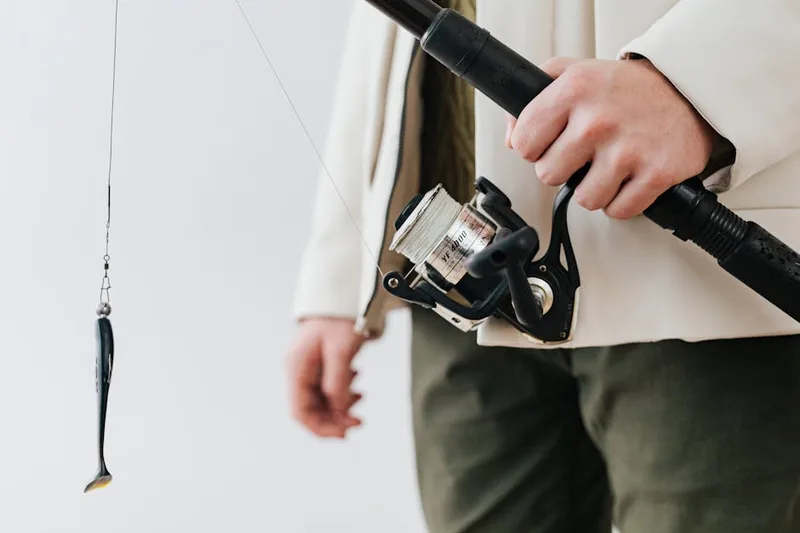
Some methods get repeated on forums like gospel. Here's what I've tested that didn't help , or made things worse:
Boiling water. See above. The line looks beautiful for about 30 seconds, then you hook a 3-pound fish and watch it part like wet toilet paper. Heat damage is real.
"Just cast it out." If the memory is mild, repeated casting can help , the line straightens under load and retrieval tension. But moderate-to-severe memory just produces wind knots on every other cast.
You'll spend more time picking tangles than fishing.
Leaving line in the sun. Heat without moisture just bakes the polymer. It's the worst of both worlds , the line gets stiff AND coiled.
Back-reeling with no tension. Spinning the reel handle backward to "unwind" memory does nothing. Memory isn't twist , it's a shape the polymer has adopted. You need heat, stretch, or chemical treatment to reset it.
Which Method Should You Use?
| Scenario | Best Method | Time | Effectiveness |
|---|---|---|---|
| Night before a trip, at home | Warm water soak | 20-30 min | ★★★★★ |
| At the lake, line unfishable | Walk-it-out stretch | 5 min | ★★★★☆ |
| Mild memory, want to fish NOW | Line conditioner | 2 min | ★★★☆☆ |
| Severe memory + conditioner | Warm soak, THEN conditioner | 25 min | ★★★★★ |
| Line is 2+ seasons old | Replace it. Seriously. | 10 min to respool | , |
That last row is worth emphasizing. If your mono has been on the reel since 2024, no amount of soaking or stretching will restore it. Mono degrades from UV exposure, heat cycling, and just time.
The $8 for a fresh spool of Trilene is cheaper than losing the fish of the season to a break-off. Not sure if your line has crossed the line from fixable to trash?
Our guide on when to replace fishing line covers the 5 signs you shouldn't ignore.
How Do You Stop Line Memory From Coming Back?
You didn't ask, but here's what actually reduces how often you need to fix this:
- Large arbor reels. Wider spool diameter = gentler coil radius = less memory. A size 3000 reel stores 8-pound mono with less memory than a size 1000.
- Don't overfill. Leave 1/8 inch from the spool lip. Overfilled spools force line into tighter coils at the edge.
- Winter storage. Loosen your drag completely. Store reels in a climate-controlled space — not the garage, not the boat locker. 40-70°F is the sweet spot.
- Stretch before storage. Strip 50 feet, stretch it in 3-foot sections, reel it back under light tension. This pre-straightens the line so it doesn't "learn" the spool curve as deeply over winter.
- Line conditioner before storage. A $9 bottle of KVD lasts a full season and cuts spring memory by half or more. Spray it on, let it dry, put the reel away.
FAQ
Can I fix line memory without taking the line off the reel?
Yes , that's exactly what Methods 1 and 3 do. The warm water soak treats the line while it's still spooled (remove the spool from the reel body first).
Line conditioner sprays directly onto the spooled line. You never need to unspool unless you're doing the walk-out stretch.
Does fluorocarbon have the same memory problem?
Worse. Fluorocarbon is stiffer than nylon mono and develops more aggressive memory. The catch: warm water doesn't help fluoro much because it's hydrophobic , water doesn't penetrate the polymer.
For fluorocarbon memory, mechanical stretching is your only real option short of respooling. Or switch to a quality braid with a fluoro leader.
How do I know if the memory is too bad to fix?
Pull 3 feet of line off the spool and let it hang completely slack. If it forms tight, springy coils that look like a stretched-out phone cord, Methods 1-3 will help.
If the line feels stiff, chalky, or has visible cracks or discoloration , that's not memory, that's UV degradation. Replace it. No fix for chemically-broken nylon.
Is there a monofilament brand with less memory?
Yes. Berkley Trilene XL is specifically formulated for low memory and has been the benchmark for decades. Sufix Elite and Sunline Super Natural also perform well in this category.
Budget mono (the $3 spools at Walmart) typically uses lower-grade nylon with minimal anti-memory additives , you save $5 upfront and pay for it in tangles all season.
The $8 spool of Trilene XL I bought for these tests is still going strong after 3 months of weekend fishing. The $4 bargain spool I compared it against?
It's in the trash after developing memory so bad I couldn't cast past 20 yards. Sometimes the cheapest option costs the most in lost fishing time.
Sources & Industry References
- International Game Fish Association (IGFA) , Official world record authority and fishing line standards reference
- Wired2Fish , Independent fishing gear reviews and line testing data
- Tackle Warehouse , Comprehensive fishing line specs, diameter charts, and user reviews
Found This Helpful?
Stop guessing on line choice. LineCalc Pro recommends the perfect fishing line for your exact setup , free, no signup.
Try LineCalc Pro →Frequently Asked Questions
Who is this guide for?
Anglers looking to make informed decisions about fishing line selection , from beginners to experienced fishermen who want to understand the technical details behind line performance.
What's the most common mistake anglers make?
Choosing line based on price alone, or using the same line for every situation. Line diameter, material, and pound test should match your target species, water conditions, and fishing technique.
How often should I replace my fishing line?
Monofilament: every season or after 8-12 trips. Fluorocarbon: every 2 seasons. Braided line: can last 2-3 seasons if properly maintained. Replace immediately if you see fraying, discoloration, or memory coils.
Braid vs Mono vs Fluorocarbon , which should I pick?
Braid for sensitivity, casting distance, and heavy cover. Mono for topwater lures, stretch forgiveness, and budget. Fluorocarbon for clear water, leader material, and abrasion resistance. Most anglers use a combination.
What pound test line should I use?
Match to your target species: 4-8lb for panfish, 8-12lb for bass, 15-30lb for catfish/striper, 30-65lb for musky/saltwater. Check your rod's line rating , it's printed on the blank for a reason.
What should beginners check before buying line?
1) Match line weight to your rod rating. 2) For spinning reels, stick to 8-12lb to avoid wind knots. 3) Don't overspend on your first spool , $8-15 mono is perfectly fine to learn on.